Meta has launched the AI Developer Assistant for WhatsApp Business developers and tech providers to simplify onboarding. This AI tool offers contextual guidance, troubleshooting, and answers based on official documentation, helping with app configuration, business verification, and app review. It is integrated into onboarding flows and is being rolled out to all developers by mid-June to speed up setup and launch.
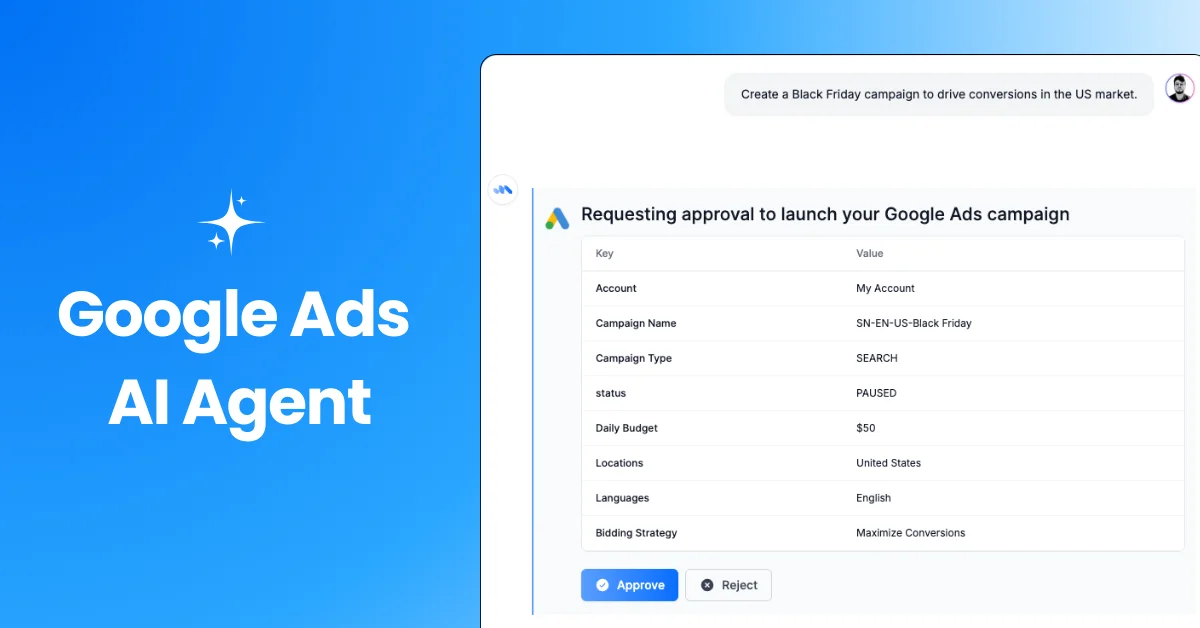
Markifact is a no-code marketing automation platform that lets users create AI-driven workflows for automating marketing tasks. Users can trigger workflows, connect apps, and track performance through a visual interface. The platform offers pre-built templates, integrates with various marketing tools, and supports team collaboration.
Instants lets you share real-time photos with Close Friends or mutual followers that disappear after viewing or 24 hours. Photos can't be edited before sharing. Capture photos via Instagram or the Instants app, which syncs with Instagram. Features include a private archive, story recaps, no screenshots, undo sent instants, and snooze notifications. Instagram safety and teen protections apply. Available globally on Instagram and as an app in select countries.
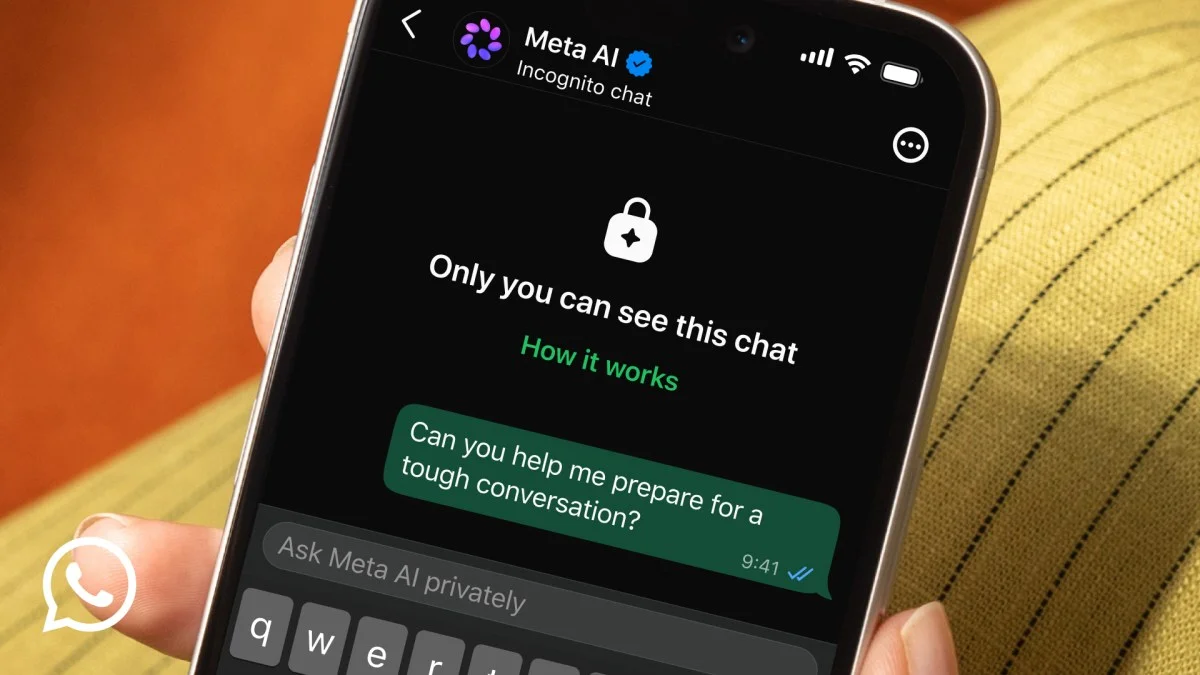
Incognito Chat with Meta AI on WhatsApp and the Meta AI app offers fully private conversations using WhatsApp's Private Processing technology. Unlike other incognito modes, Meta cannot access or save your messages, which disappear by default. This feature creates temporary, secure chats invisible to anyone else. Meta plans to add Sidechat for private AI help within WhatsApp chats soon. The rollout is ongoing.
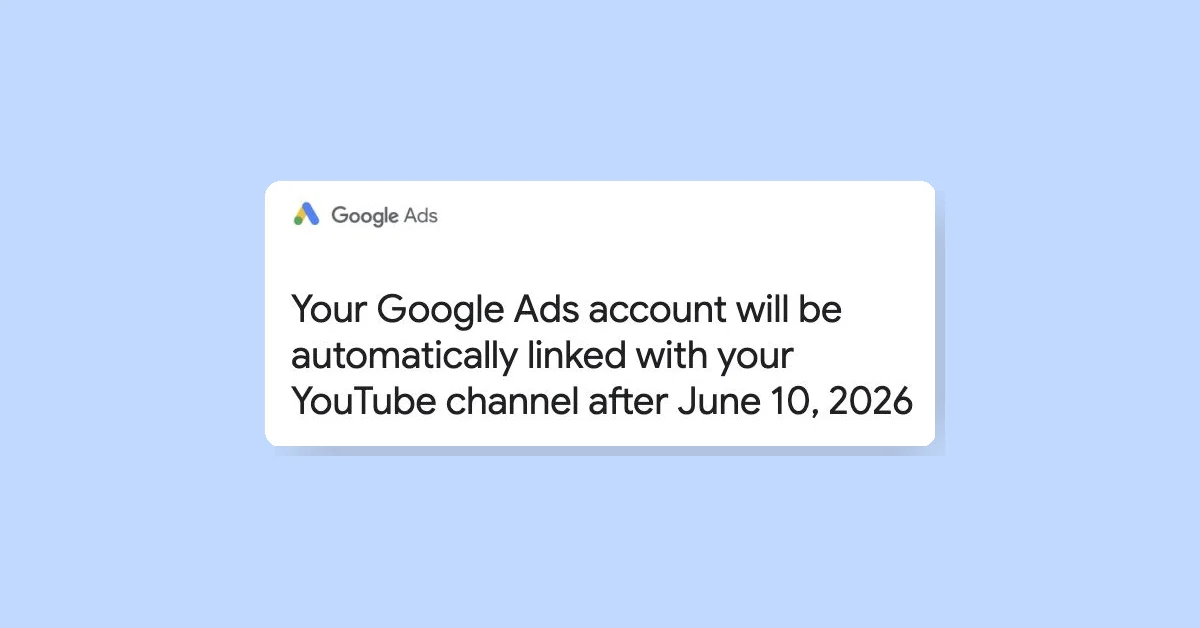
Google Ads will auto-link YouTube channels to Google Ads accounts after June 10, 2026, unless users act. Linking unlocks organic video metrics in Google Ads, allows building audience segments from past viewers, and lets users count engagement actions like subscriptions as conversions. Users can link accounts now or opt out before the deadline via a notification link.
Facebook updates Developer Policies to improve ad-buying transparency and account structure. Advertisers must keep end advertisers in separate ad accounts unless using vendor_id or brand fields properly. From February 3, 2027, ad-buying solutions must disclose ad spend, fees, and campaign details upon end advertiser request. Meta may disclose info if policy violations are suspected, without prior notice. These changes align with industry standards.
Meta is replacing Accounts Center with Meta Account over the next year to simplify access and management of Meta apps and devices. It offers a single login, enhanced security with passkeys, and centralized settings management while keeping app-specific settings separate. WhatsApp remains optional. Meta Account supports Facebook, Instagram, Messenger, Threads, Meta AI, AI glasses, and Quest headsets, aiming to make digital life easier and safer.
Instagram API updates enhance branded content workflows, adding partnership ads labels with or without brand tags. New engagement metrics include reposts, saves, shares, and aggregated views, likes, and comments across Instagram and Facebook. Collaborative media endpoints allow tracking co-created content. The API now supports liking/unliking posts and comments via third-party apps with proper permissions.
Starting June 22, 2026, Facebook will replace Nielsen's DMA with Comscore Markets® for automotive ads. Campaigns using Nielsen’s DMA will pause until updated. From March 23, 2026, advertisers can update vehicle offer feeds with Comscore Market IDs using a provided mapping table. Notifications begin April 20, and all Nielsen DMA targeting ends June 22. Updates via Catalog Manager or API are required to resume campaigns.
Threads API now offers richer content options such as cross-sharing to Instagram Stories, long-form text attachments, ephemeral ghost posts, spoiler tags, and GIFs. It supports tokenless embedding, enhanced web intents for posting, and improved search by media or author. New management tools include reply approvals and real-time webhooks for post events. Developers can use documentation, sample apps, and testing tools for integration.