With rising interest in vintage and thrifting, Google Search offers AI tools to enhance the experience. AI Mode helps plan thrift trips with specific queries, Google Lens identifies and values items in stores, Circle to Search finds similar online products, Virtual Try-On lets users try styles digitally, and Lens also assists in valuing items for resale, making thrifting easier and more interactive.
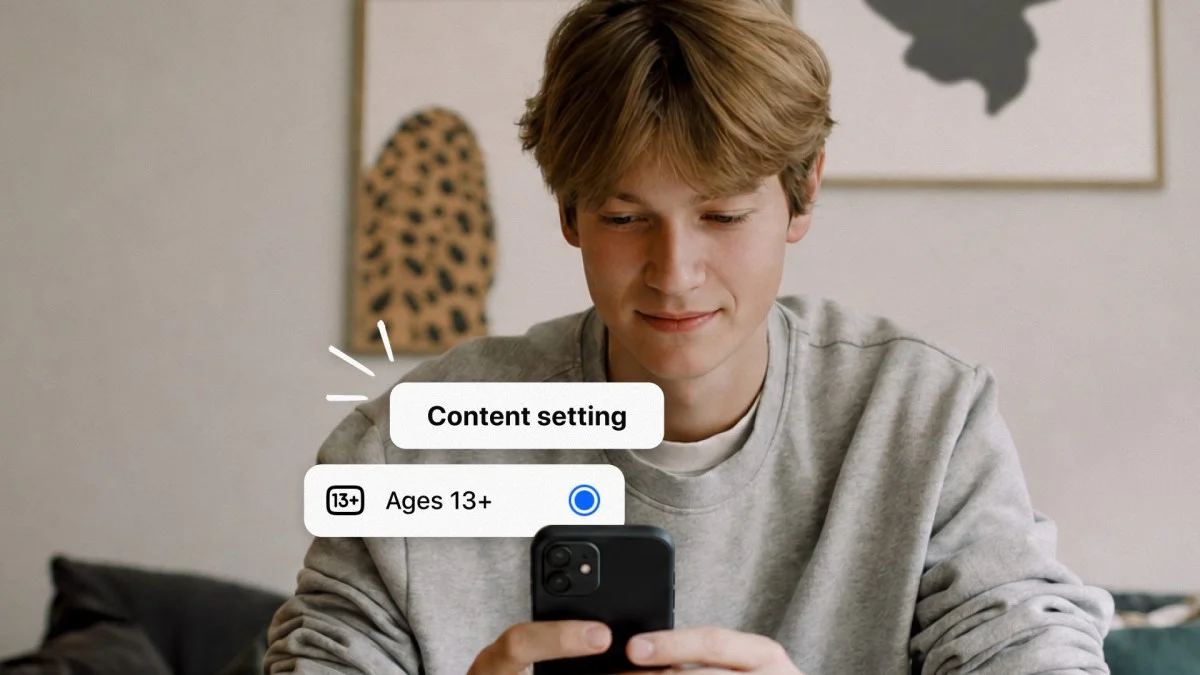
Instagram, Facebook, and Messenger are expanding new 13+ content settings globally to help teens see age-appropriate content by default. Inspired by movie ratings and parent feedback, these settings limit exposure to inappropriate content and interactions. A stricter Limited Content option is also available. External testing showed Instagram reduces mature content more than competitors. Updates address gaps like new risky trends for safer teen experiences.
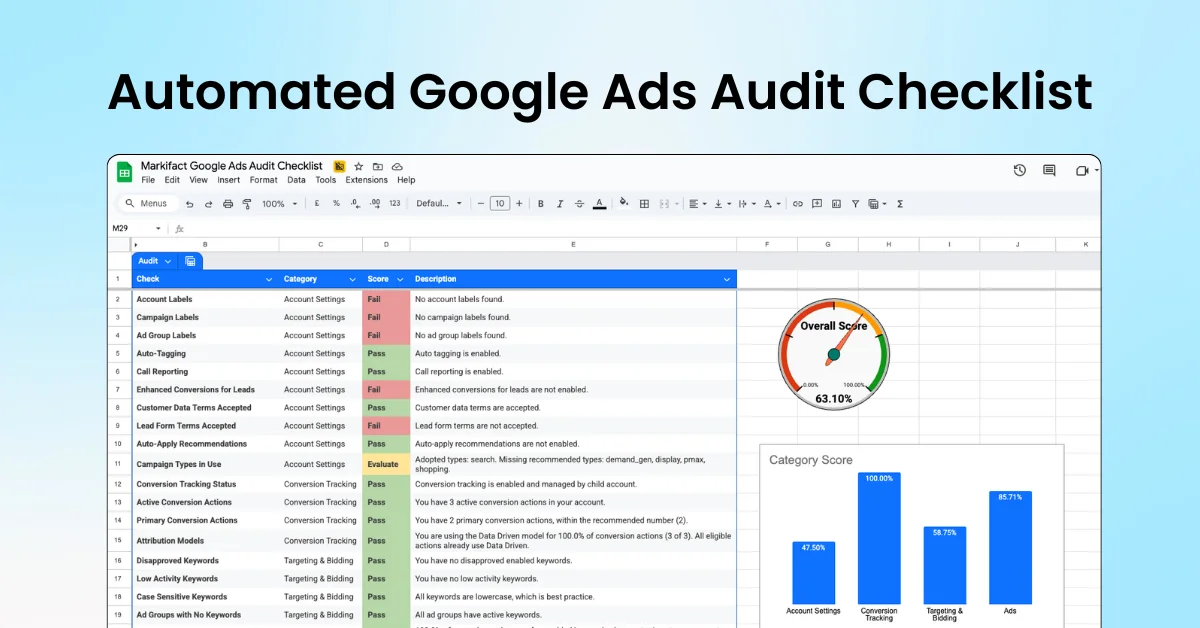
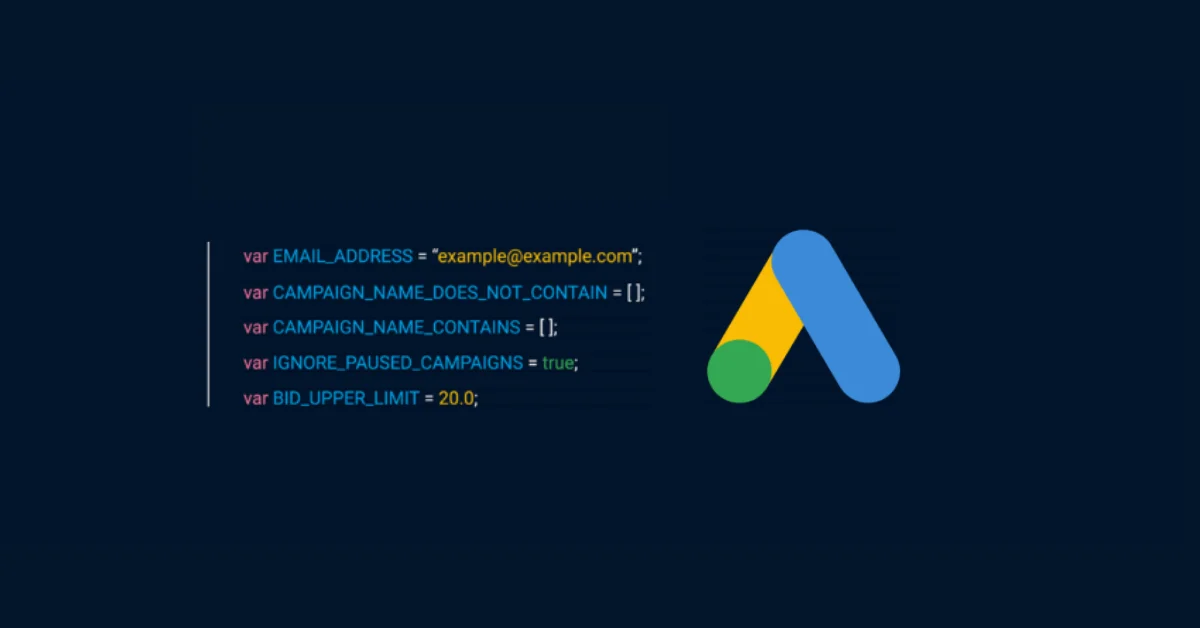
Run an automated Google Ads audit directly from Google Sheets with 40+ built-in checks. Review campaigns, ad groups, keywords, ads, and account settings to catch missed best practices and optimization gaps. Ideal for agencies and in-house teams to standardize audits, save hours of manual work, and turn findings into clear, actionable recommendations.
Google has launched new Search Generative AI performance reports in Search Console to help site owners track their site's visibility in generative AI features on Search and Discover. These reports show impressions, pages, countries, devices, and dates data. Initially available to a subset of websites for testing, Google seeks feedback to improve and plans to add more metrics over time.
Meta Business Agent is AI that helps businesses support every customer like an infinite team. It integrates quickly with existing systems and is used by over a million businesses on WhatsApp and Messenger. It offers personalized responses, handles tasks like answering questions, booking appointments, and closing sales, supports multiple languages, and connects with systems like Shopify and Zendesk, providing enterprise controls.
Google is upgrading Search with AI, introducing Gemini 3.5 Flash as the default model globally. The Search box is redesigned with AI to better understand queries, supporting text, images, files, videos, and tabs. New Search agents work 24/7 to provide updates and actions on tasks. Agentic coding creates custom UIs and dashboards. Personal Intelligence expands to 200 countries, connecting apps like Gmail securely. Features roll out summer 2026.
Google released Gemini 3.5 Flash, an AI model excelling in complex tasks and coding with high speed and performance. Available globally via the Gemini app, Google Search, developer tools, and enterprise platforms, it outperforms previous versions and cuts task time and cost. It powers personal AI agents like Gemini Spark and enhances Search features. Built with advanced safety measures, it reduces harmful content and improves accuracy.
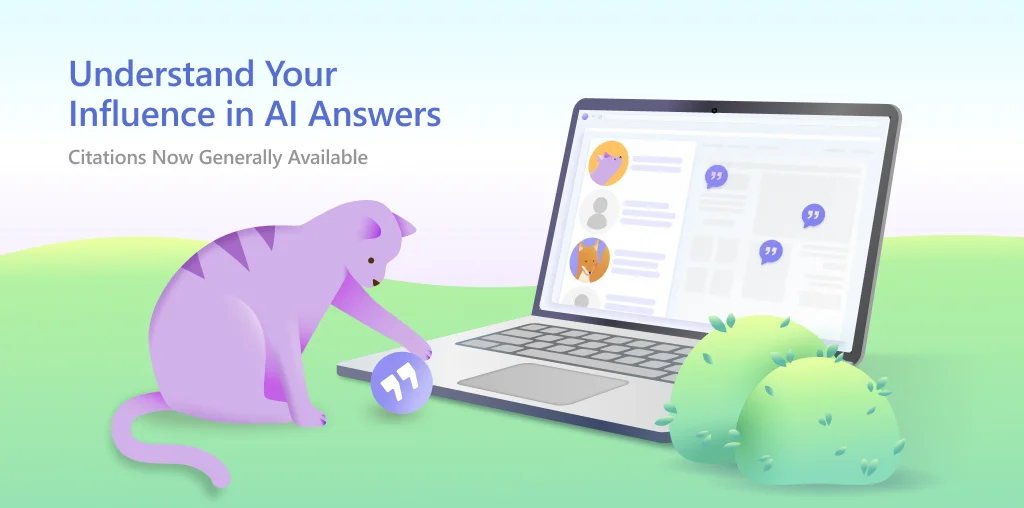
Microsoft Clarity's AI Citations Report shows how content is cited in AI-generated answers, helping site owners track visibility beyond traditional SEO. It measures page citations, share of authority, AI referral traffic, queries, and trends. Now generally available, it requires Clarity setup and domain verification. Future updates will offer deeper insights into content discovery, intent themes, and competitive analysis.
Starting June 15, 2026, Google Ads API will no longer accept new adopters for offline conversion imports, including enhanced lead conversions. The Data Manager API will be the primary method for offline conversion imports. Developers not using offline conversions by May 2026 will get errors if they try to import. Current users can continue with Google Ads API while migrating to Data Manager API. Developer tokens will be allowlisted, and support is available.
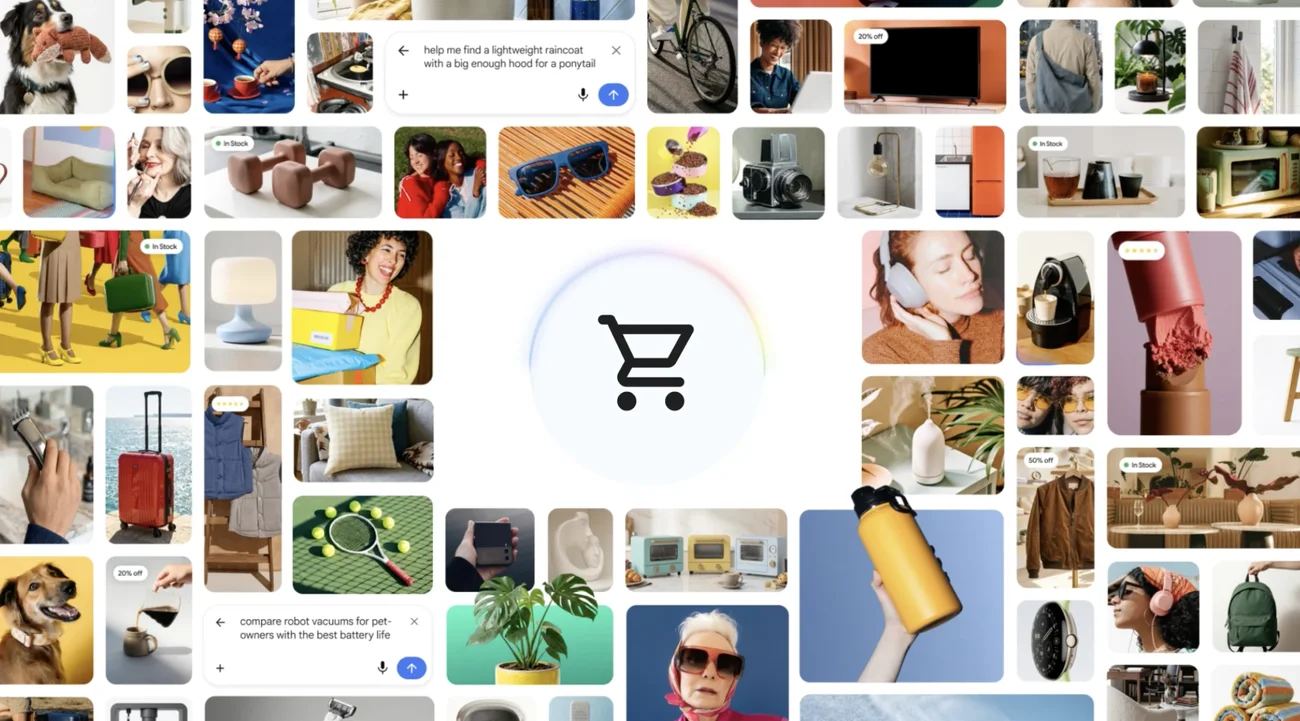
Google's Universal Cart is an AI-powered shopping hub across merchants and Google services like Search, YouTube, and Gmail. It finds deals, tracks prices, flags product issues, and optimizes payment perks. Built on Google Wallet, it enables smooth checkout via Google Pay or merchant sites. The Universal Commerce Protocol expands globally and to new verticals, while the Agent Payments Protocol secures agent purchases. Universal Cart launches in the U.S. this summer.