Brais is an experienced data analyst specializing in technical analytics for major international brands. With a strong background in data science, he excels in transforming complex data into actionable insights. His expertise spans various industries, making him a versatile professional in the field. Brais is committed to leveraging data to drive strategic decisions and improve business outcomes.
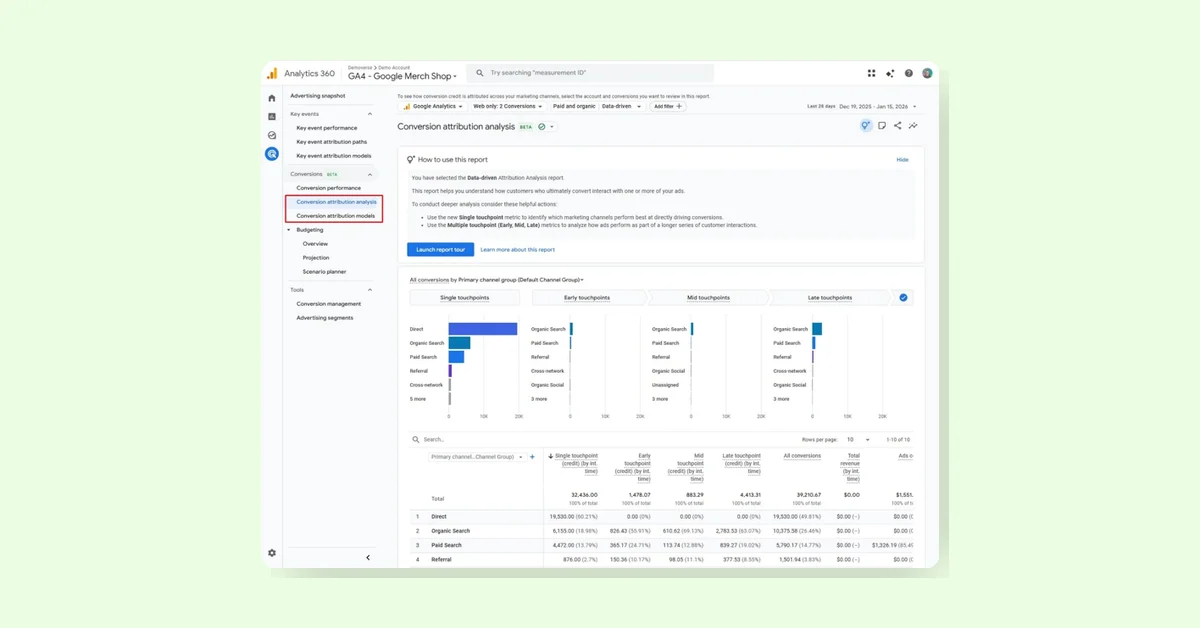
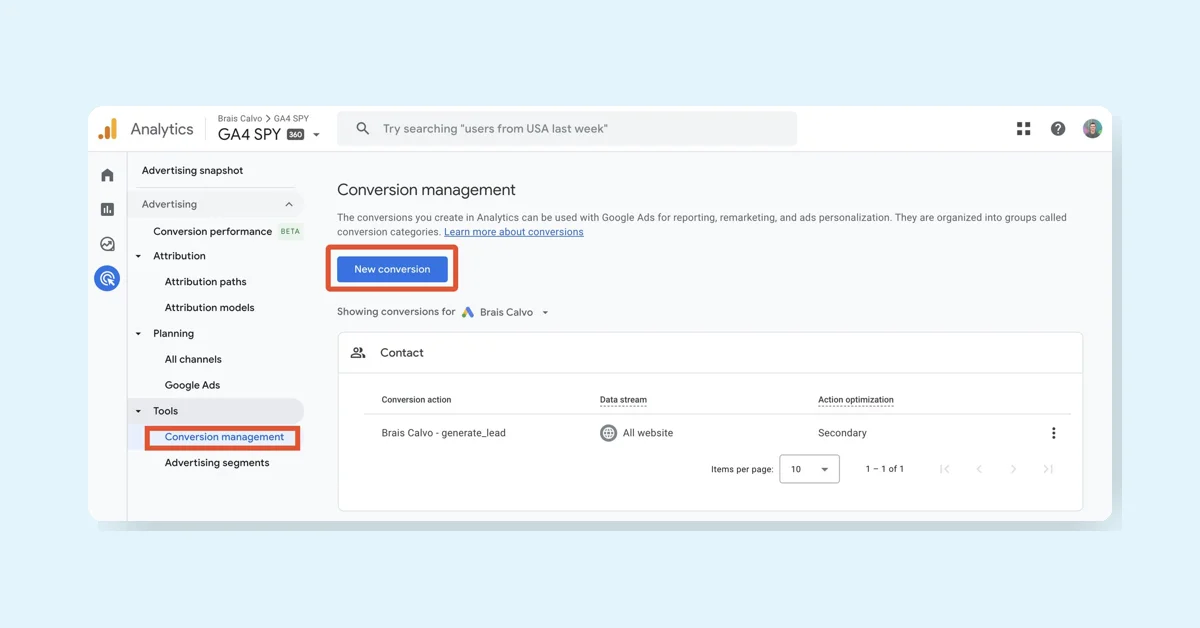
GA4 introduces beta features like multi-channel budgeting with projections for budget distribution, conversion management allowing choice of count type and attribution window to reduce discrepancies, and new conversion attribution reports with touchpoint metrics to understand channel roles and justify investments in non-converting campaigns. These updates target advertising but support integration of other channels.
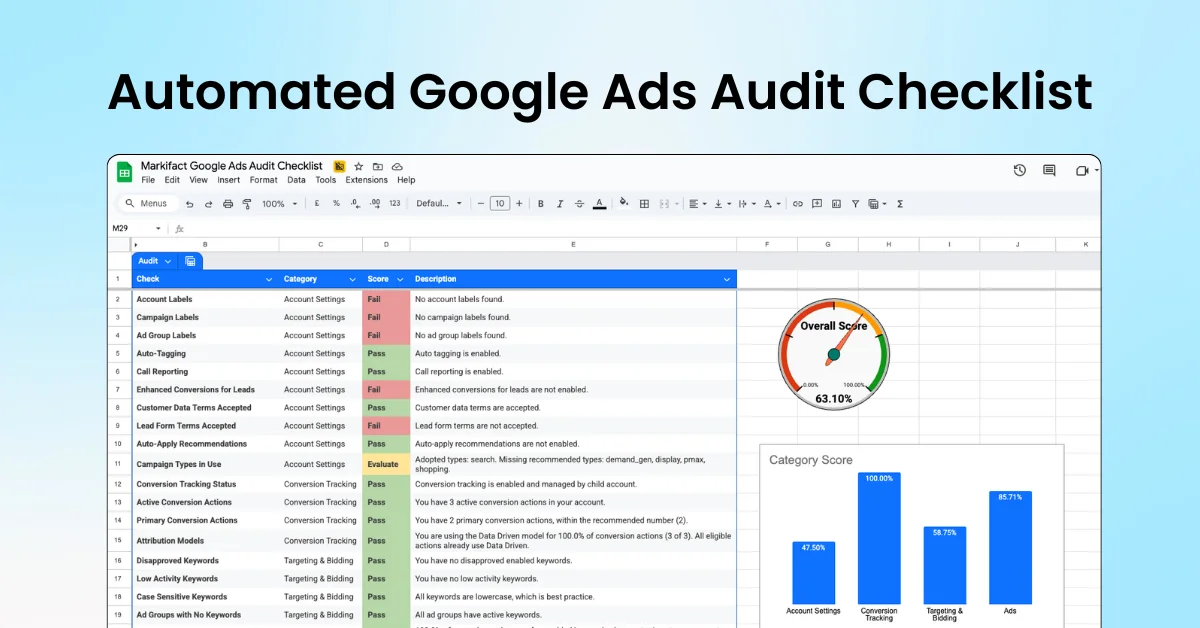
Run an automated Google Ads audit directly from Google Sheets with 40+ built-in checks. Review campaigns, ad groups, keywords, ads, and account settings to catch missed best practices and optimization gaps. Ideal for agencies and in-house teams to standardize audits, save hours of manual work, and turn findings into clear, actionable recommendations.
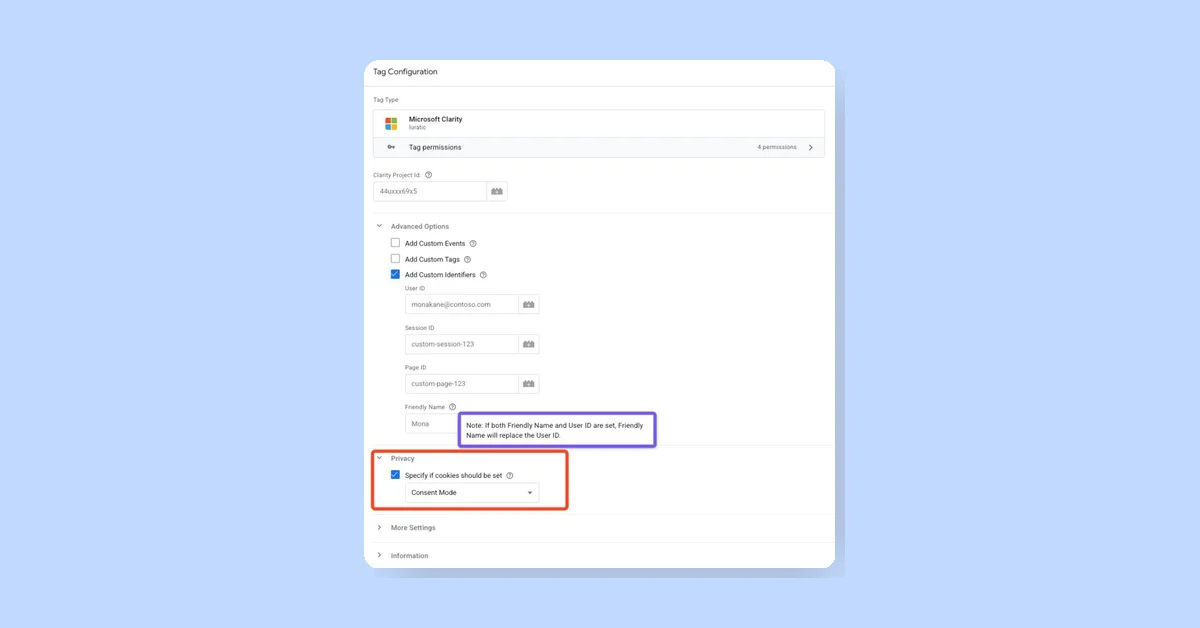
The Luratic template for Microsoft Clarity has been updated to include Consent Mode integration, improving consent handling compared to the regular GTM template. It also adds a tooltip explaining that using the "friendly name" feature replaces the user_id in Clarity, so both cannot be used simultaneously. The full updated template is available in an article on Best Community.
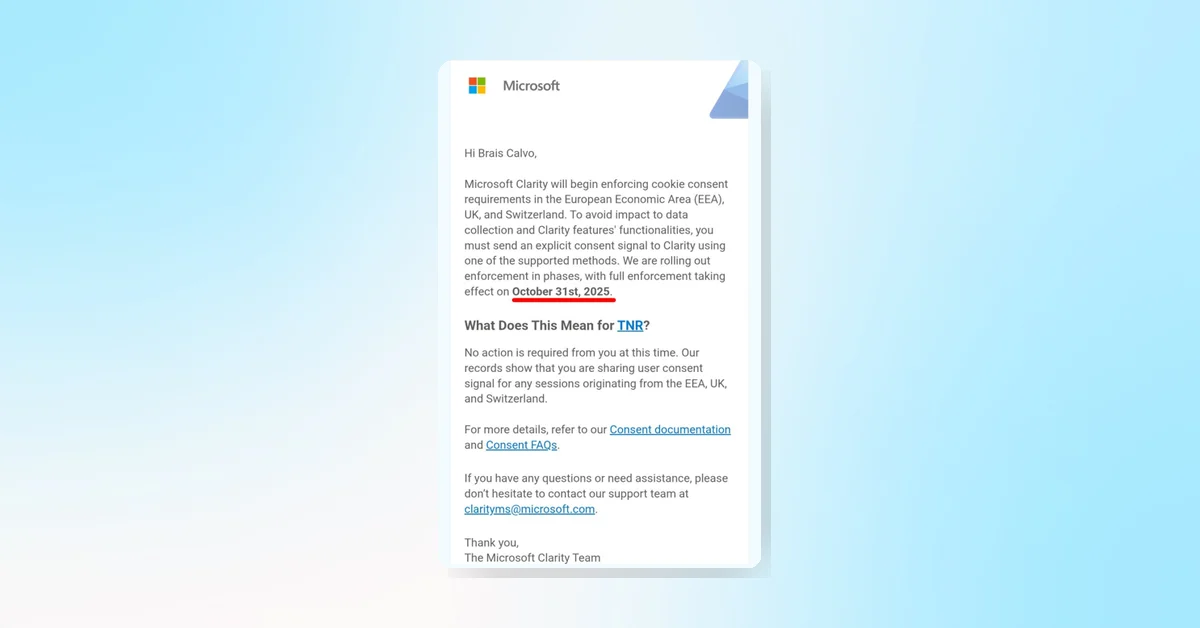
Microsoft Clarity will require explicit user consent for analytics and advertising cookies in the EEA, UK, and Switzerland starting October 31, 2025. Consentv2 offers more granular control and is recommended for migration, with consentv1 still working temporarily. Enforcement will roll out in phases, and explicit consent signals must be sent to avoid data collection issues. No immediate action is needed for current users sharing consent signals.
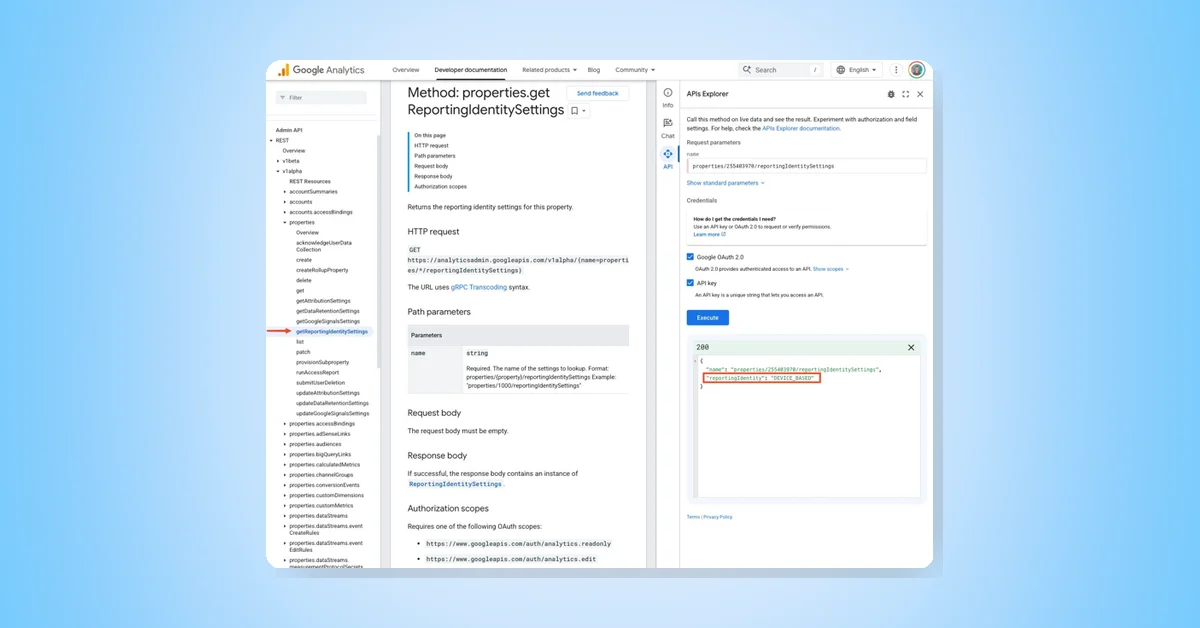
GA4 now offers API access to report identity settings in the Alpha version of the Admin API, including BLENDED, OBSERVED, DEVICE_BASED, and IDENTITY_BLENDING_STRATEGY_UNSPECIFIED. This helps automate audits and validate configurations without manual review. Ideally, this info could be accessed as a dimension via the Looker Studio connector.
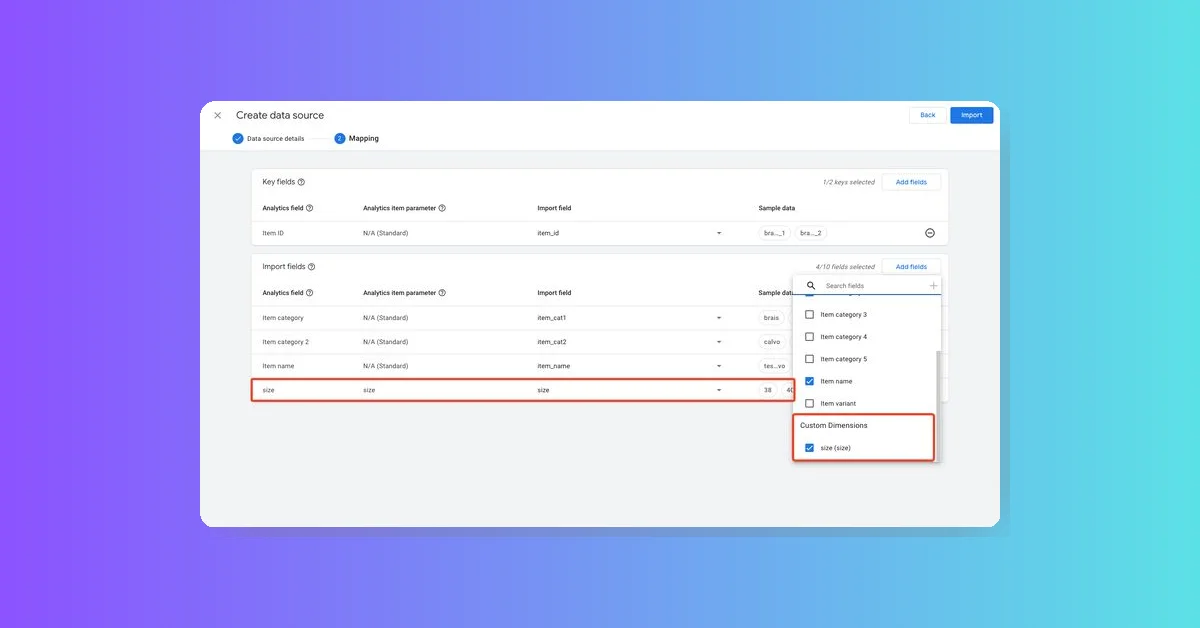
GA4 now supports importing item-scoped custom dimensions via CSV or SFTP, allowing users to match data using these dimensions. This update enhances item data import by enabling the inclusion of custom dimensions without needing item IDs, useful for large product catalogs. It simplifies ecommerce tracking by letting users send just an Item ID or SKU, which links to imported item data for detailed reporting on user behavior, traffic, and revenue.
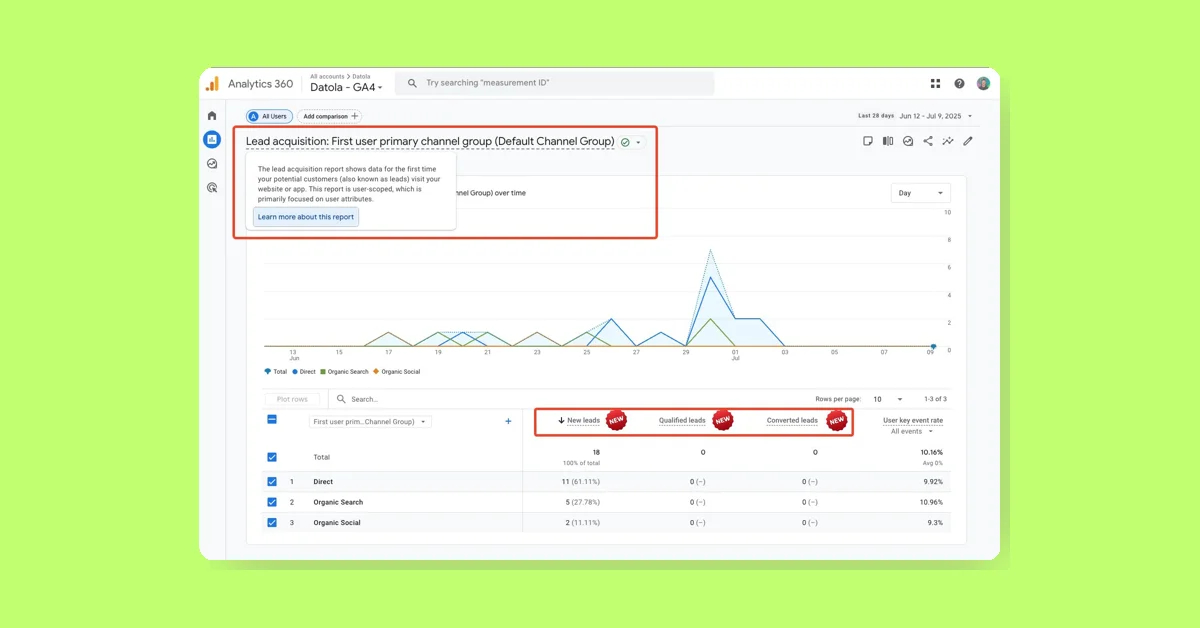
Two new GA4 reports focus on lead generation: Lead acquisition and Lead disqualification and loss. They use recommended lead events and introduce new metrics: New leads (generate_lead event), Qualified leads (qualify_lead), and Converted leads (close_convert_lead). These metrics are not yet available in scans or the API.
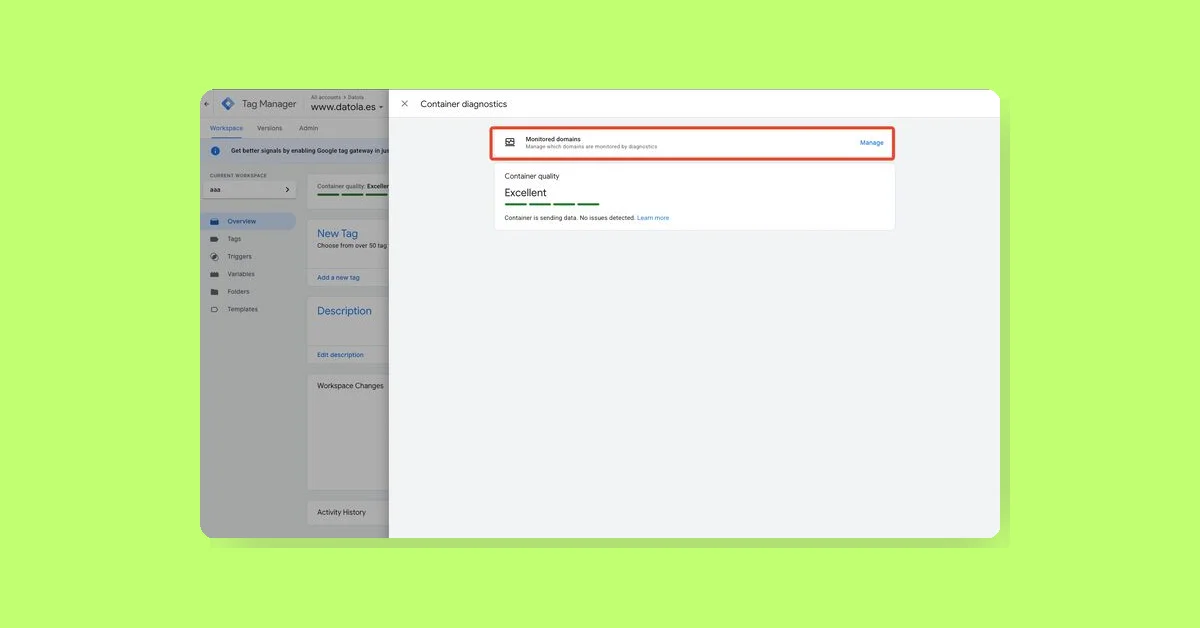
Google Tag Manager now lets users choose which domains to monitor with the Container Diagnostics tool and ignore others. Domains inactive for over 60 days are automatically deleted. This update offers more control to reduce noise and false positives from the tool.
GA4 now supports importing cost data from more sources including Google Sheets, BigQuery, Snowflake, Amazon Redshift, Amazon S3, Google Cloud Storage, HTTPS, MySQL, and PostgreSQL in open beta. This allows users to compare performance across all ad initiatives in GA4 reports, enabling a more comprehensive ROAS analysis. The update adds flexibility, like automatic Facebook ad cost imports via BigQuery.
GA4 has introduced a conversion management section under Advertising > Tools, allowing users to manage Google Ads conversions directly from GA4. This section enables the curation of GA4 events, assignment of categories, and triggering of conversions for reporting, remarketing, and ad personalization. A new tab called conversion management appears in the advertising section, where users can create conversions from events and establish conversion categories.