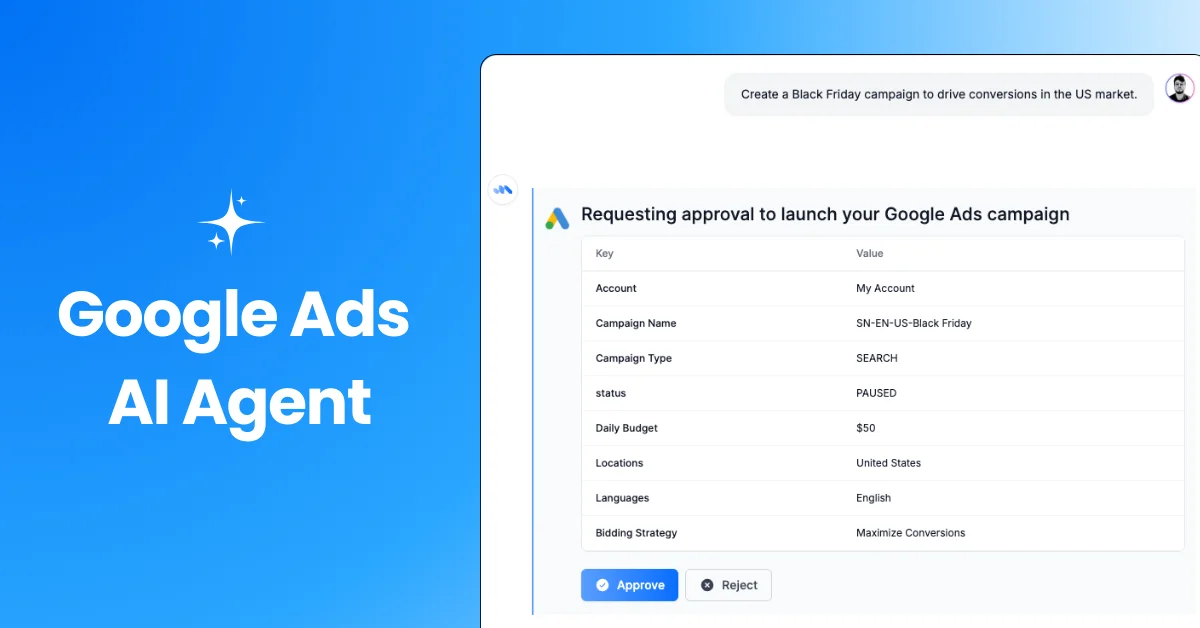
Meta plans to introduce premium subscriptions on Instagram, Facebook, and WhatsApp, offering users exclusive features that enhance productivity, creativity, and AI capabilities while keeping the core apps free. These subscriptions will vary by app, with unique features and bundles tested across platforms. A key part of this strategy involves scaling Manus, an AI agent Meta acquired for $2 billion, which will be integrated into Meta products and offered as standalone subscriptions for businesses.
Subscription Features and AI Integration
Meta is exploring AI-powered features like Vibes, an AI-driven short-form video creation tool within the Meta AI app. While Vibes has been free, Meta intends to offer freemium access with subscription options unlocking more video creation opportunities monthly. Instagram’s subscription may include features such as unlimited audience lists, visibility into followers who don’t follow back, and the ability to view Stories anonymously. Details on Facebook and WhatsApp paid features remain undisclosed.
Distinction from Meta Verified
These new subscriptions are separate from Meta Verified, which targets content creators and businesses with benefits like verified badges, 24/7 support, impersonation protection, and exclusive stickers. The new offerings aim at a broader user base, including everyday users, creators, and businesses, evolving from lessons learned through Meta Verified.
Market Context and Challenges
The introduction of these subscriptions is a revenue-generating move amid growing subscription fatigue among users due to numerous paid services. Meta will need to provide compelling value to encourage adoption. The success of Snapchat+—with over 16 million subscribers and exclusive features starting at $3.99 per month—demonstrates a viable market for social media subscriptions.
User Feedback and Future Plans
Meta plans to gather user feedback as it rolls out these subscriptions, indicating a flexible approach to refining offerings based on community response. This phased testing and iterative development reflect Meta’s strategy to balance innovation with user demand and market trends.