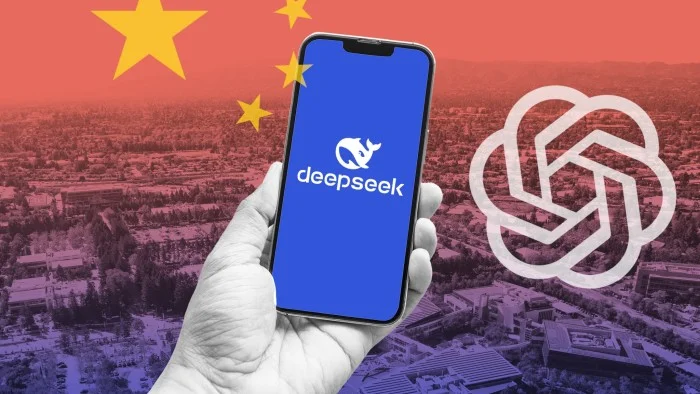
DeepSeek, a small Chinese AI lab, shocked the tech world by unveiling its R1 model's technical details, making its founder, Liang Wenfeng, a national figure. This model learns autonomously on a limited budget, posing a challenge to US firms like OpenAI. DeepSeek prioritizes research over profit and effectively utilizes local GPU resources. However, questions remain about its ability to stay competitive as US companies enhance their AI capabilities.
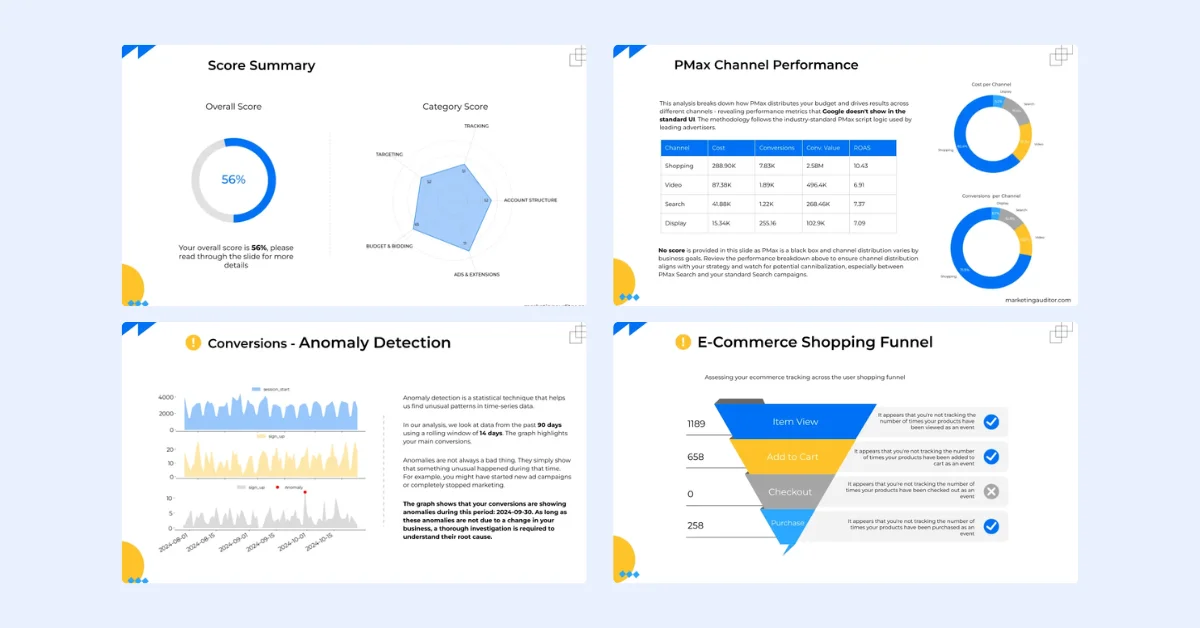
Upload all Meta ad types in bulk directly from Google Sheets, single image, video, carousel, and flexible ads. Control placements, multiple headlines, primary texts, descriptions, and creatives from one spreadsheet. Built for agencies and teams managing dozens of ads across multiple accounts, helping you launch faster, stay consistent, and avoid costly manual errors.
Meta exempted top advertisers from standard content moderation to protect its business amid concerns about mistakenly penalizing them. Internal documents revealed that advertisers spending over $1500 daily were shielded from restrictions and reviewed by humans. Meta acknowledged that high spenders faced more erroneous notifications but claimed all advertisers were still subject to the same standards.
OpenAI is considering introducing advertising to its AI products to generate new revenue as it restructures as a for-profit company. CFO Sarah Friar mentioned the company is being thoughtful about implementing ads, although there are no active plans yet. OpenAI has hired advertising talent from big tech firms and is experiencing rapid growth, with significant opportunities within its existing business model.
Meta’s Threads is losing users to Bluesky after Trump's election. Bluesky's daily users in the US and UK surged by 300% to 3.5 million as academics, journalists, and left-leaning politicians left X. Threads, initially more popular, is now only 1.5 times larger than Bluesky. Meta reduced political content to avoid controversy, while X under Musk allows more freewheeling content. Meta introduced custom feeds to compete with Bluesky.
AI search engine Perplexity is in talks with brands like Nike and Marriott over a new advertising model to challenge Google's dominance in the $300bn digital ads industry. Perplexity's system allows brands to bid for “sponsored” questions with AI-generated answers approved by advertisers. The company aims to launch by year-end, charging above $50 per 1,000 impressions. Perplexity's success hinges on scaling up, with 250mn queries in July.
The European Commission charged Microsoft with antitrust violations for bundling Teams with Office, marking the first such charges in over a decade. The commission claims this gives Teams an undue advantage over rivals like Slack and Zoom. Microsoft had tried to unbundle Teams, but officials found it insufficient. The company faces potential fines and is seeking to settle.
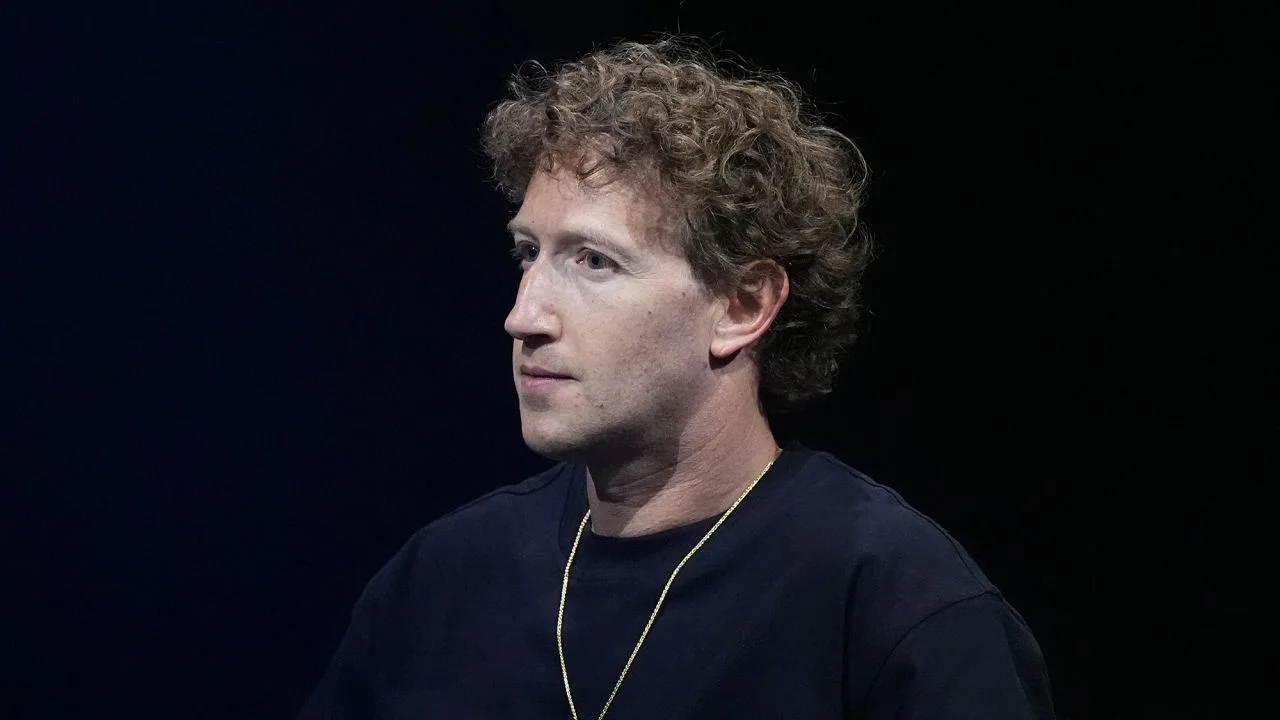
Meta's focus has shifted from social media to AI, sparking a new wave of tech competition. Despite a significant drop in stock market value, CEO Mark Zuckerberg remains optimistic about the company's AI ambitions. The potential ban of TikTok in the US, once seen as a threat to Meta, is now overshadowed by the potential impact of AI. Zuckerberg envisions creating AI-powered agents capable of complex tasks, putting Meta in direct competition with tech giants like Google and Microsoft/OpenAI.
Google is contemplating charging for AI-powered 'premium' features, marking a shift in its search business. This would be the first time a core product is placed behind a paywall. The company may add these features to its premium subscription services, which already include the Gemini AI assistant. The traditional search engine will remain free, with ads continuing to appear alongside search results.