
Ginny is an Ads Product Liaison at Google, bridging the gap between marketers and product teams. Formerly Editor-in-Chief at Search Engine Land and Marketing Land, she is a renowned expert in digital advertising and marketing. Ginny frequently speaks at conferences and has been quoted in The New York Times, Business Insider, and Washington Post. She has also appeared on Reply All, NPR's Marketplace Tech, and All Things Considered.
Google Ads introduces text guidelines for AI-generated assets to improve creative control in AI Max for Search or PMax campaigns. Users can refine text by adding up to 25 term exclusions to block specific words or phrases and up to 40 message restrictions to avoid certain concepts or styles. These guidelines help prevent unwanted terms like "cheap" or "discount" from appearing. Rollout begins this fall.

Upload all Meta ad types in bulk directly from Google Sheets, single image, video, carousel, and flexible ads. Control placements, multiple headlines, primary texts, descriptions, and creatives from one spreadsheet. Built for agencies and teams managing dozens of ads across multiple accounts, helping you launch faster, stay consistent, and avoid costly manual errors.
Google Ads is increasing the negative keyword limit for Performance Max campaigns from 100 to 10,000. This change addresses feedback about the previous cap and will roll out to all PMax advertisers soon. While this increase offers more control, it is advised to use negative keywords carefully to avoid limiting conversions. Additional tools for ad control will also be available, with more information on negative keyword lists expected later this year.
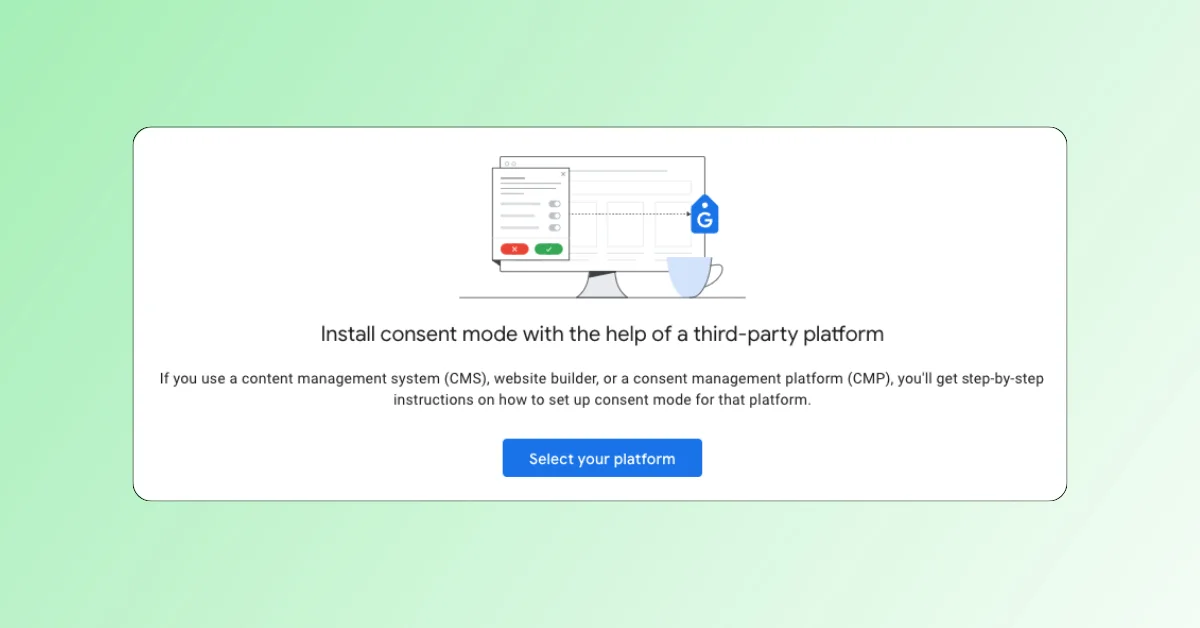
Google has enhanced its platform with integrated Consent Management Platform (CMP) setup capabilities in the Google Tag UI, streamlining consent management across Google services without manual code changes. The integration supports four CMP partners: consentmanager, Cookiebot, iubenda, and Usercentrics. It functions within Google Ads, Google Analytics, Campaign Manager 360, and Google Tag Manager, providing guidance for a simplified setup process.
Google's new feature for Local Services Ads (LSA) auto-selects profile photos to display in ads to boost engagement and improve rankings. Advertisers should upload high-quality, relevant photos to their profiles. Photos will be chosen based on their likelihood to increase engagement. Available to all Local Services advertisers starting today, high-quality photos can improve ad ranking and visibility, potentially increasing leads by 16%.
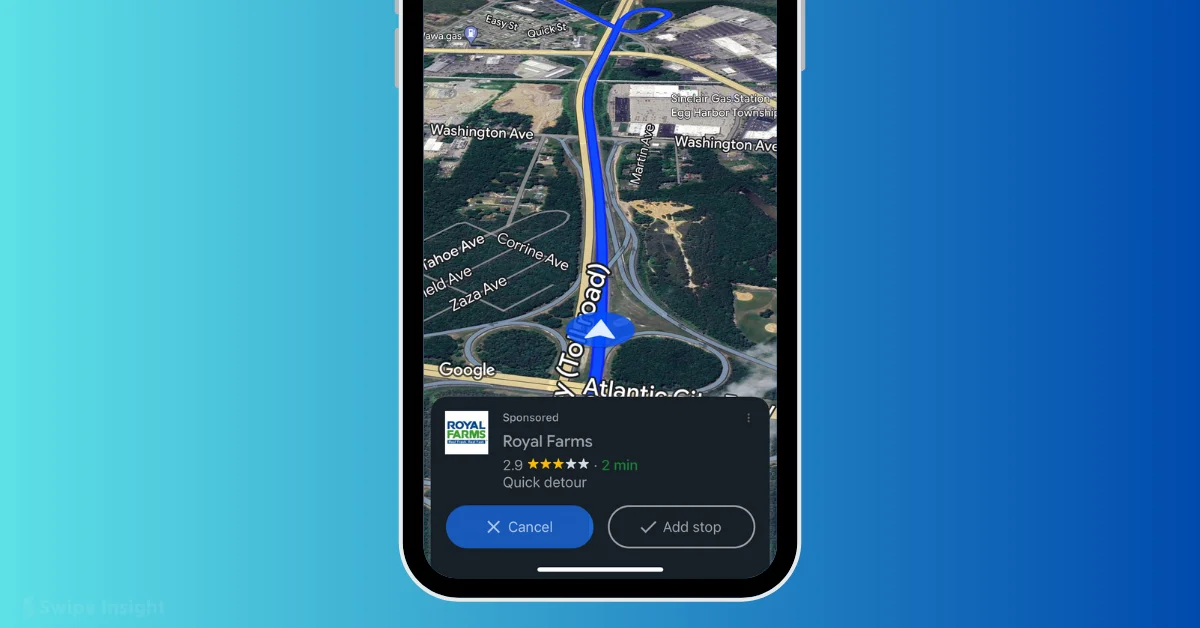
Google Maps is not introducing pop-up ads during navigation. The confusion arose when a user thought they saw a new ad format recommending detours. Google clarified that these are "Promoted Pins," which have been around for a while and only appear if the screen is tapped, disappearing quickly. These ads are designed to avoid driver distraction. The user who reported the issue confirmed the pop-up disappeared after a few seconds.
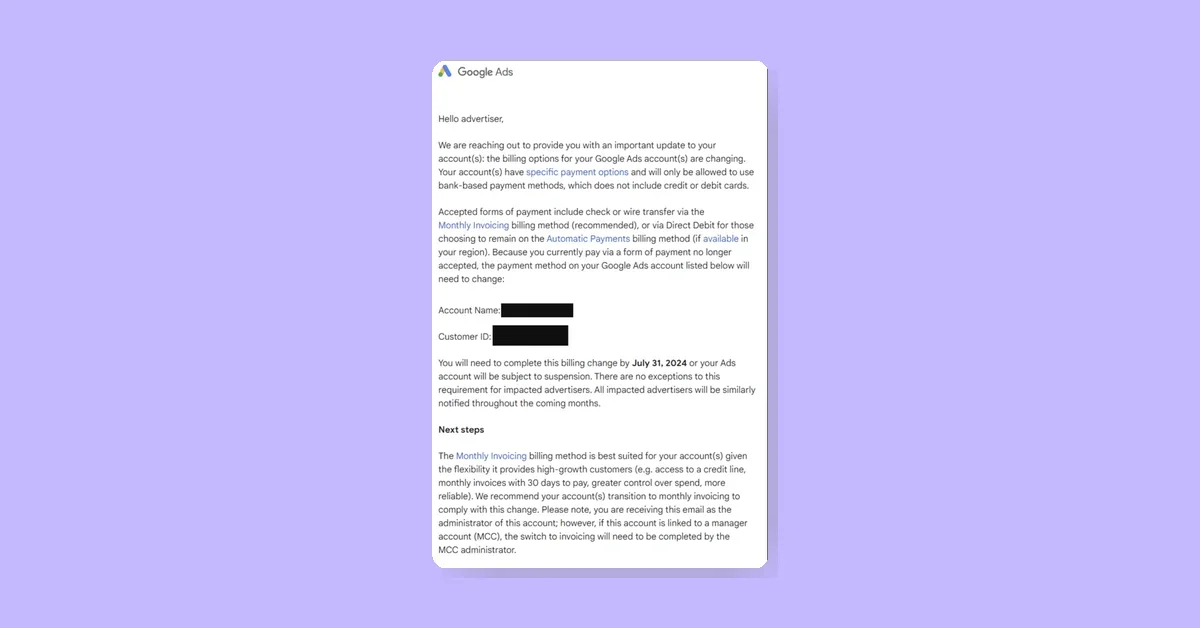
A small segment of advertisers has been notified about changes to their Ads account billing options, moving to bank payments via monthly invoicing or direct debit. New tools and features have been launched to facilitate this transition and ensure minimal disruption to their accounts.
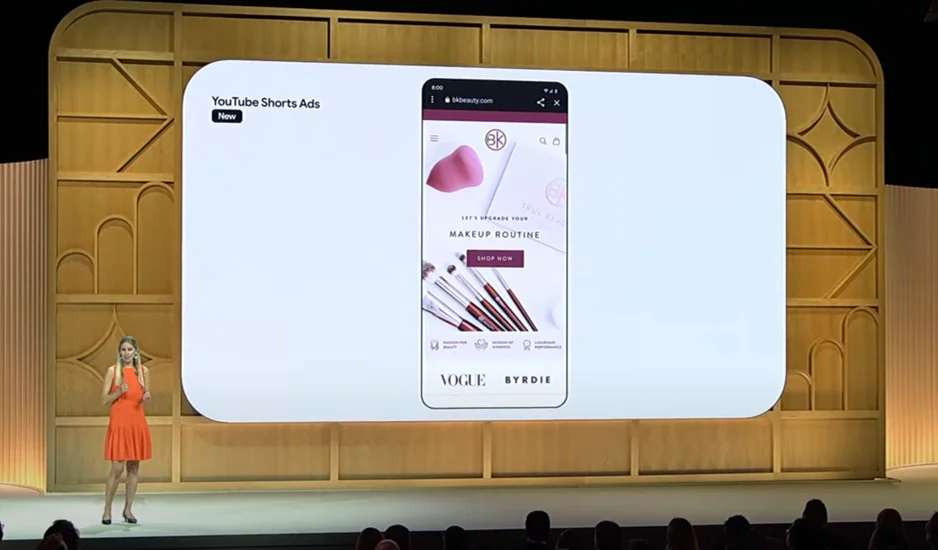
Google Marketing Live 2024 announced several updates. Ads are being tested in AI Overviews for U.S. users. A dynamic ad experience with AI-powered recommendations is under testing. Profit optimization is launching for PMax and Standard Shopping campaigns. Asset-level reporting is coming to PMax. Audience lists of 100 users can now be used for lookalike segments in Demand Gen. Google Ads Data Manager is now globally available. Updates on new Shopping ads formats and YouTube Ads were also shared.
New PMax updates include a Customer Value mode and customer acquisition goals in beta for purchase conversion goals. A customer retention goal to win back lapsed customers is also in beta. Detailed demographics are now available in PMax audience insights. Budget pacing insights will show projected campaign spend and forecasted conversion performance. Account-level IP address exclusions are now supported by PMax. GML event is on May 21.
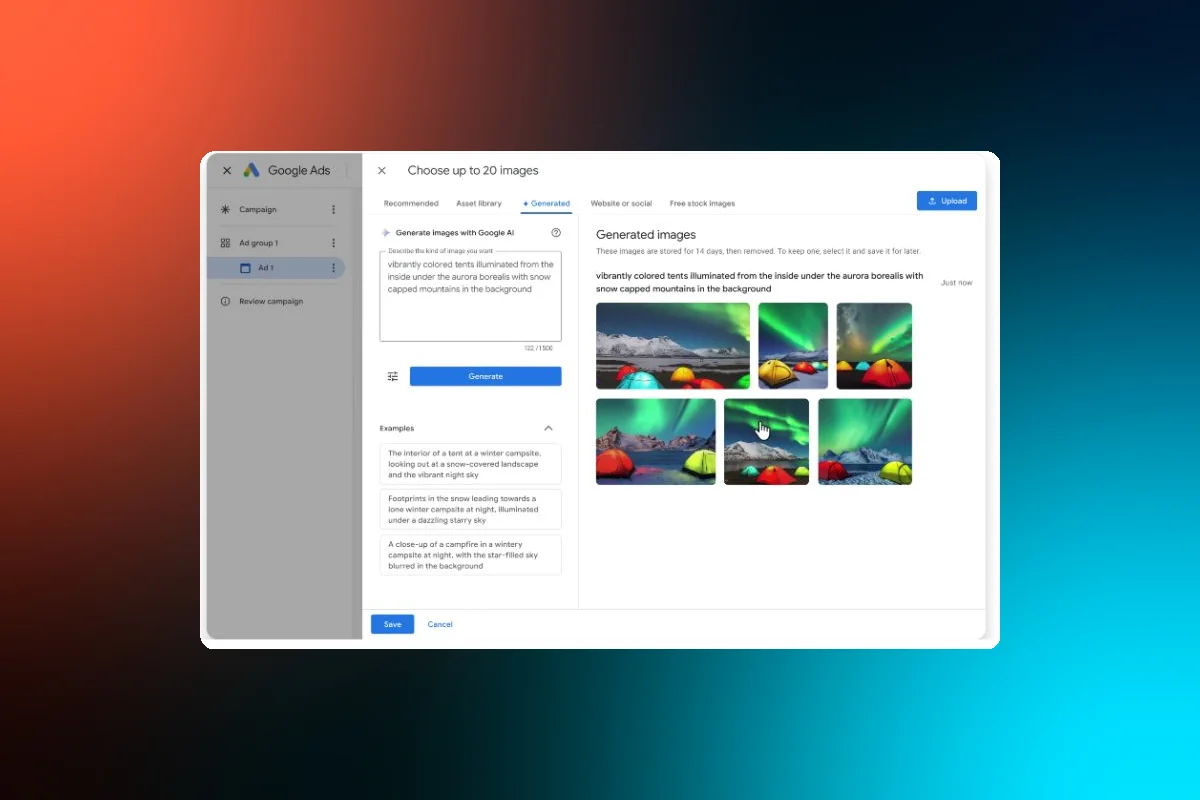
New generative AI tools are now available for Demand Gen campaigns to create image assets. These tools, available globally in English, allow advertisers to create new images using prompts or generate similar options from existing high-performing assets. More languages will be supported later this year. Further details, including AI principles and policies, are available on the linked blog.