Managing SEO for large websites with over 10,000 pages presents unique challenges that traditional SEO tactics may not fully address. These challenges include ensuring site visibility for search bots, handling complex site architectures, and managing crawl budgets. An SEO log analyzer can be crucial in overcoming these issues by providing insights into how search engines interact with your website.
The Unique SEO Challenges For Large Websites
For large websites, traditional SEO tactics like keyword optimization and link building are insufficient. The sheer volume of content makes it difficult to ensure every important page is optimized for visibility to Googlebot. Complex site architectures can lead to significant crawl budget issues, where Googlebot misses crucial pages. Technical glitches, slow page speeds, broken links, and keyword cannibalization further complicate SEO efforts.
What Is An SEO Log Analyzer?
An SEO log analyzer processes and analyzes server access logs to track how search engine crawlers interact with a website. It identifies which pages are crawled, how often, and any crawl issues. This helps SEO teams make precise adjustments to enhance site performance, boost crawl efficiency, and improve SERP visibility.
Optimizing Crawl Budget For Maximum SEO Impact
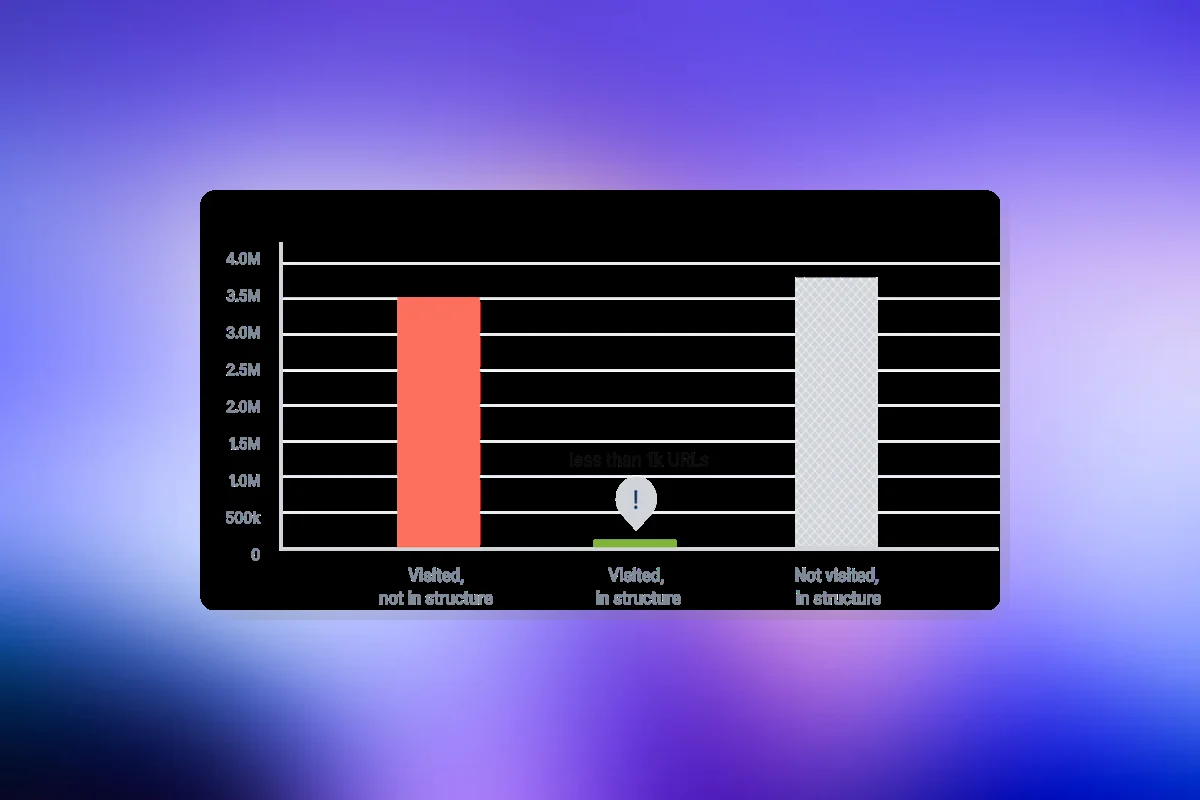
Crawl budget refers to the number of pages a search engine bot will crawl on your site within a given timeframe. Optimizing crawl budget ensures that your most important pages are frequently visited and indexed by Googlebot, leading to better rankings. A log analyzer provides detailed insights into crawler interactions, helping identify and resolve inefficiencies.
Benefits of Using an SEO Log Analyzer
- Detailed Analysis of Bot Behavior: Understand how search bots interact with your site, including crawl depth, internal links, and word count per page.
- Improves Internal Linking and Technical Performance: Identify underperforming pages and optimize internal links for better navigation and SEO standards.
- Aids in Troubleshooting JavaScript and Indexation Challenges: Track how well search engine bots render and index JavaScript-dependent content.
- Helps Optimize Distance from Index (DFI): Suggest changes to reduce DFI, making important content easier to find.
Real-World Wins Using Log Analyzer
- Skroutz: Improved crawl budget and reduced time for new URLs to be indexed and ranked, solidifying its position as one of the top 1000 websites globally.
- DOM.RIA: Doubled Googlebot visits by optimizing internal linking and DFI, resulting in fresher and more relevant content appearing in Google.
Getting Started With An SEO Log Analyzer
- Integrate Your Logs: Capture all data related to site visits.
- Identify Key Issues: Uncover significant issues affecting user experience and site performance.
- Fix the Issues: Prioritize and address identified issues.
- Combine with Crawl Analysis: Merge log analysis data with crawl data for deeper insights.
Conclusion
Optimizing your site’s crawl efficiency with a log analyzer can significantly impact your SERP visibility. For CMOs managing large-scale websites, tools like JetOctopus offer a comprehensive solution for bridging the gap between SEO data integration and organic traffic growth.