Meta is introducing changes to how ad formats are selected in its advertising platform, signaling a shift away from traditional, fixed ad formats like Flexible, Single image or video, Carousel, and Collection. These formats may be phased out and integrated into a unified system that allows a single ad to appear in multiple formats using various creative assets.
New Ad Format Approach
Instead of choosing a specific format first and then creating ads tailored to that format, Meta is moving toward a model where ads are more fluid and dynamically assembled. This means one ad can be displayed in different formats across platforms by leveraging multiple creatives.
Key Components of the Change
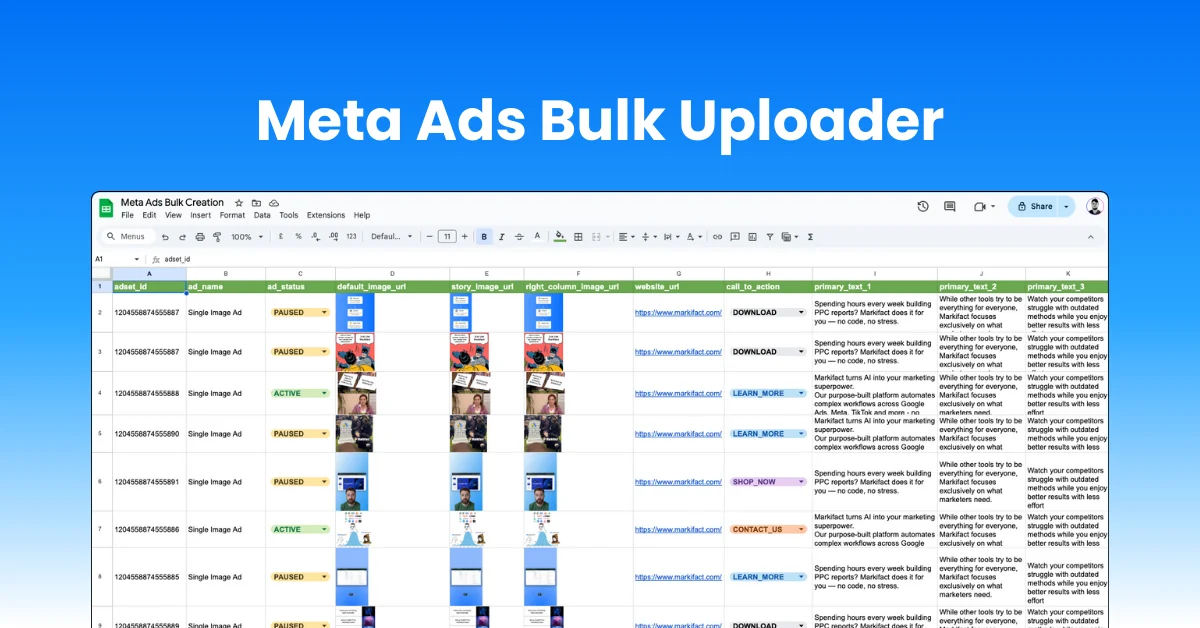
Uploaded Media System: Recently rolled out and available in some accounts, this system allows advertisers to upload up to 10 different images and layouts within a single ad. Advertisers can also specify which platforms each asset is allowed to appear on.
Format Display Options: Already visible for a few months, these options enable the same ad to appear in additional formats. For example, a static image ad can also be shown as a carousel or collection by using extra assets like sitelinks or catalog images.
Implications
- This change could significantly alter how ads are set up on Meta, moving from a few carefully structured ads to a more flexible, AI-driven system.
- Traditional formats such as Carousel, Collection, and Flexible ads might lose their status as independent formats with detailed settings.
- Ads will adapt dynamically to users and placements, with AI playing a stronger role in assembling creatives and formats.
Conclusion
Meta aims to maximize advertiser results by offering more value through flexible ad formats, which could lead to higher CPMs and increased revenue for Meta without increasing impressions. The transition reflects a broader trend toward fluid, adaptable advertising experiences rather than static, format-specific campaigns.