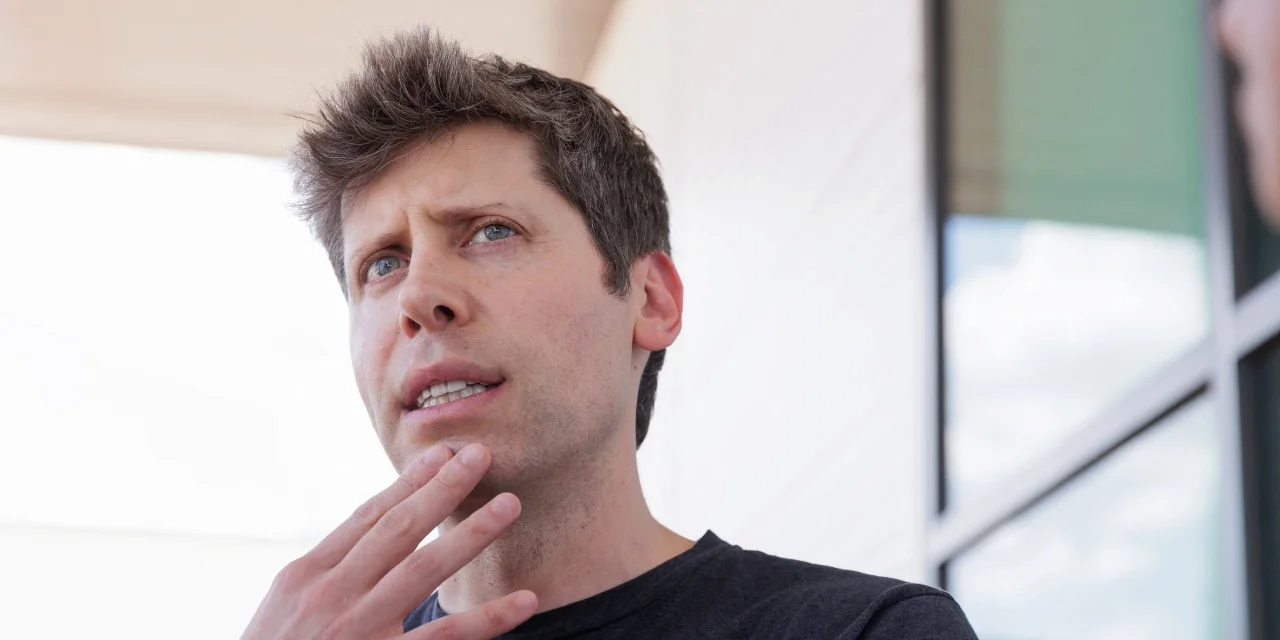
Altman declared a "code red" at OpenAI to improve ChatGPT, focusing on personalization, faster responses, and broader question answering, delaying plans for ads, shopping tools, and ChatGPT Pulse. ChatGPT Head Nick Turley said the chatbot is the top AI assistant and accounts for about 10% of search activity. OpenAI is testing ads but has no current plans to integrate them. Google’s Gemini 3 AI model outperforms rivals and received praise for creativity.
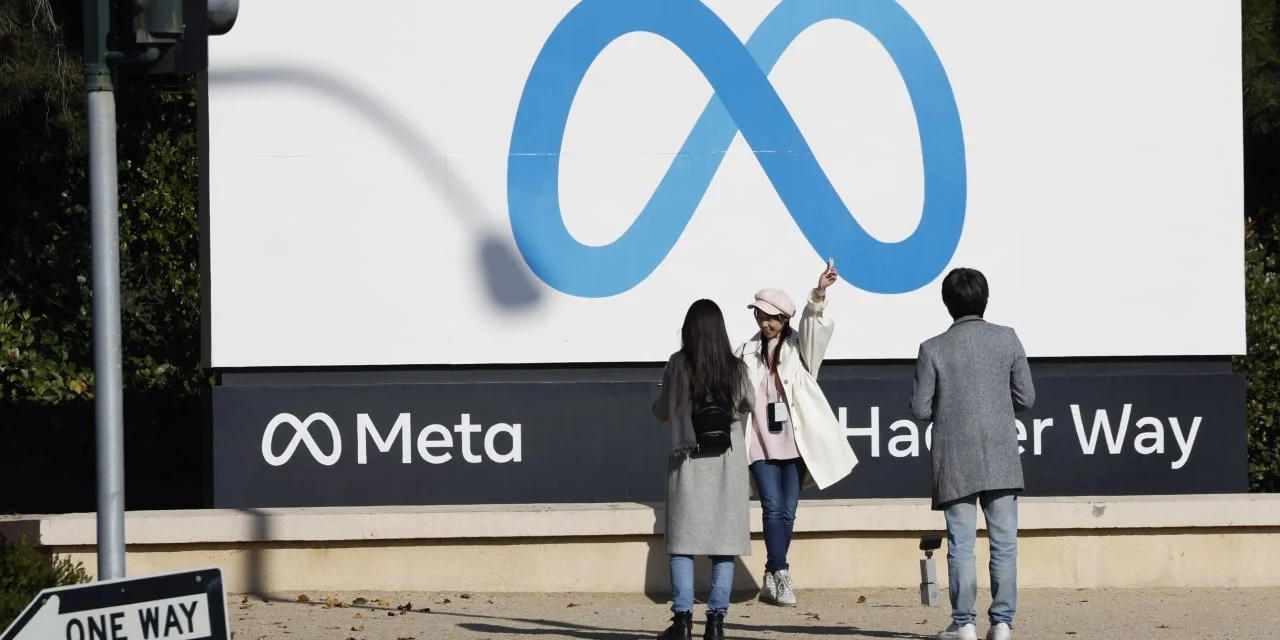
Meta plans to fully automate ad creation using AI by 2026, allowing brands to create ads from scratch with AI-generated imagery, video, and text. The system will target users and suggest budgets, personalizing ads based on factors like location. This aims to help small businesses with limited budgets. Some big brands worry about losing control and quality. Meta is also exploring integrating third-party AI tools for ad creation.
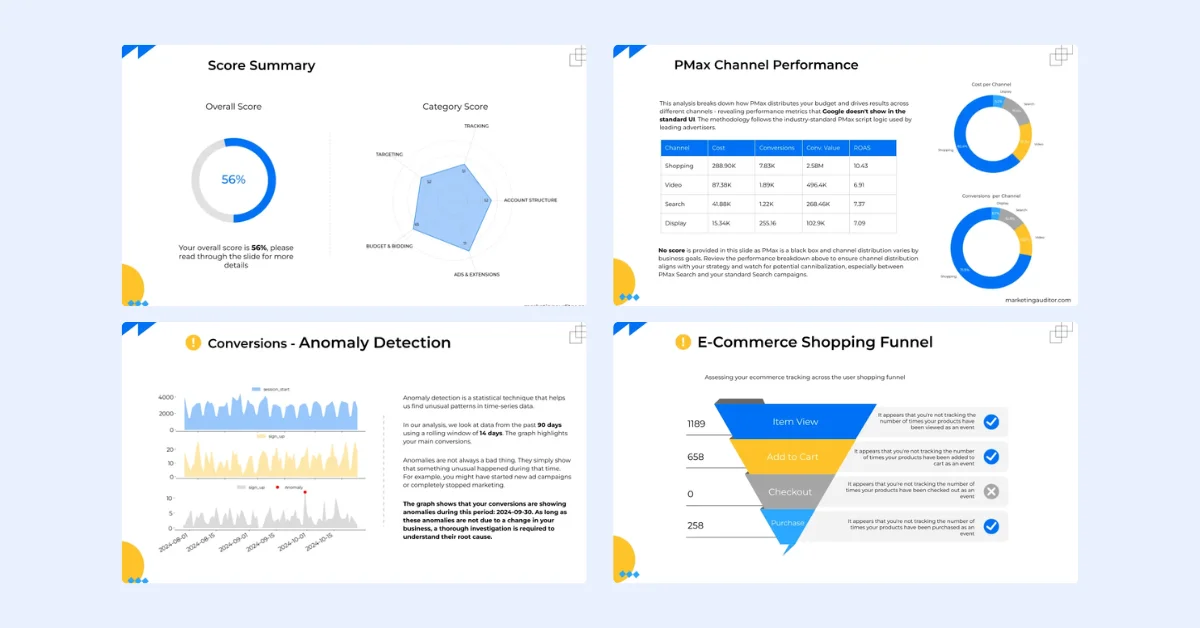
Run an automated Google Ads audit directly from Google Sheets with 40+ built-in checks. Review campaigns, ad groups, keywords, ads, and account settings to catch missed best practices and optimization gaps. Ideal for agencies and in-house teams to standardize audits, save hours of manual work, and turn findings into clear, actionable recommendations.
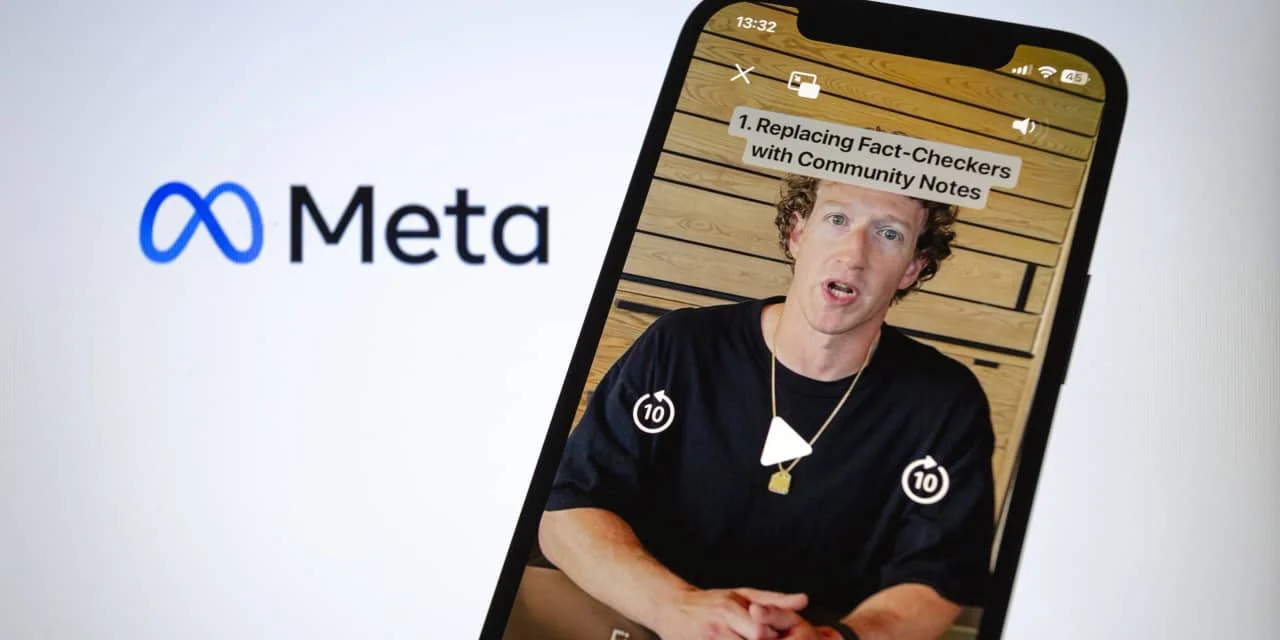
Meta's Community Notes will not apply to paid ads, focusing on organic posts instead. CEO Mark Zuckerberg announced this change to replace fact-checkers with a crowdsourced annotation system like X's. Community Notes will affect organic content, including unboosted influencer posts, but details remain unclear. Advertisers fear this may lead to reduced organic content due to potential negative annotations, causing confusion in marketing strategies.
OpenAI has developed a tool to detect writing generated by ChatGPT to curb academic cheating but is hesitant to release it due to potential risks, including circumvention by bad actors and negative impacts on non-English speakers. The tool uses text watermarking, making subtle changes in word selection to create an invisible watermark. Despite its accuracy, it remains vulnerable to tampering methods like translation and rewording.
Meta is considering acquiring a 5% stake in EssilorLuxottica, the maker of Ray Ban sunglasses, to strengthen its AR glasses IP. This $5 billion deal would secure Meta's exclusive partnership for design and distribution, aiding its metaverse ambitions. Additionally, EssilorLuxottica's recent acquisition of fashion brand Supreme could lead to broader collaborations, potentially making Meta's apps more appealing to younger audiences.
Google is in talks to acquire cybersecurity start-up Wiz for $23 billion, its largest acquisition ever, despite potential antitrust scrutiny. The acquisition aims to bolster Google's cloud-computing division, which trails behind Amazon and Microsoft. Regulators have been tough on tech mergers, but Google appears ready to fight for the deal. Wiz, valued at $12 billion, has rapidly grown since its founding in 2020.
Apple and Meta are discussing integrating Meta's generative AI model into Apple's AI system. Apple aims to leverage its distribution network, similar to its App Store. Apple has also discussed partnerships with Google, Anthropic, and Perplexity. These alliances highlight the evolving AI landscape. Apple plans to offer multiple AI options, avoiding reliance on a single partner. The discussions could lead to significant financial gains for AI companies.
OpenAI and Color Health are partnering to enhance cancer screening and treatment using AI. Color Health's AI assistant, developed with OpenAI's GPT-4o model, helps doctors create personalized cancer screening and pretreatment plans by analyzing patient data. The AI copilot reduces administrative burdens and expedites diagnostics, but doctors retain control over decisions. Trials show clinicians can analyze patient records in five minutes, improving efficiency and reducing delays.
PayPal is launching a new ad business leveraging data from its millions of users. The company has hired Mark Grether, former head of Uber’s advertising unit, to lead the PayPal Ads division. PayPal's first ad product, Advanced Offers, uses AI to target users with personalized promotions. The company aims to sell ads to both its customers and non-endemic advertisers, using detailed consumer data to potentially demand higher ad rates.