Thomas, a top 50 PPC specialist for 2024, shares insights, advanced strategies, and news about Google Ads. Fluent in German, Italian, English, Spanish, and some Portuguese, he hails from South Tyrol. Thomas has worked with major clients like Nike, eBay, Pandora, BMW, HelloFresh, and more, managing over €15,000,000 in Google Ads spend.
Google Ads introduces a new metric called "Association" in Brand Lift Studies. It lets you pick a concept or attribute, and Google surveys viewers asking which brands they associate with that text. This metric helps measure brand positioning between awareness and consideration stages, not just recall. Note that only three metrics can be used per study.
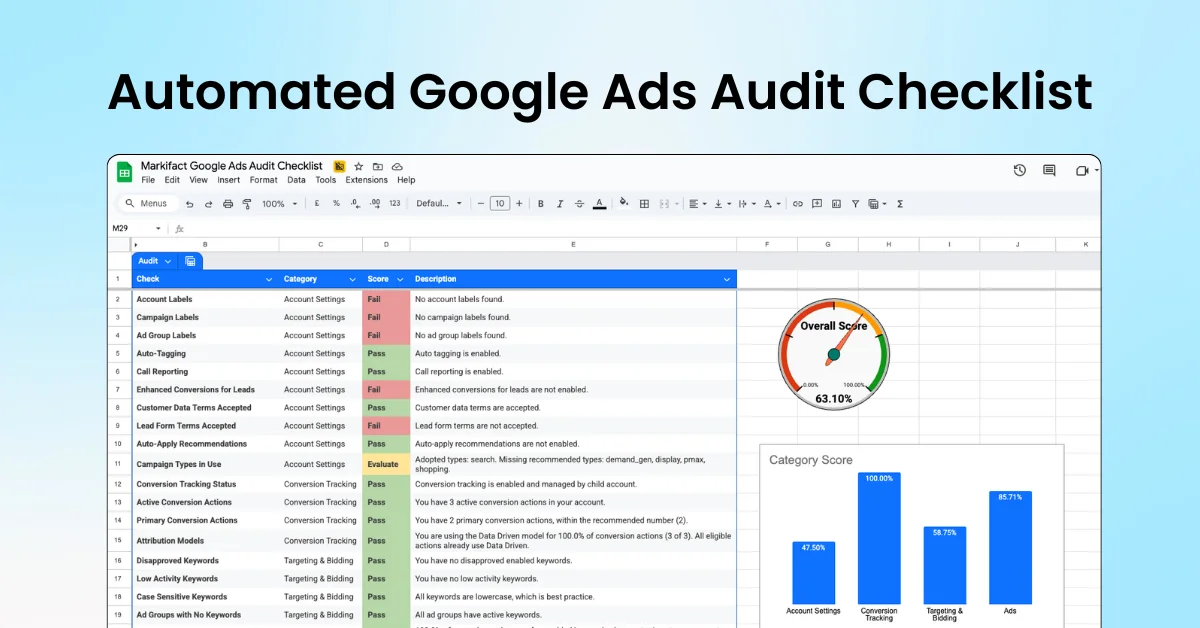
Run an automated Google Ads audit directly from Google Sheets with 40+ built-in checks. Review campaigns, ad groups, keywords, ads, and account settings to catch missed best practices and optimization gaps. Ideal for agencies and in-house teams to standardize audits, save hours of manual work, and turn findings into clear, actionable recommendations.
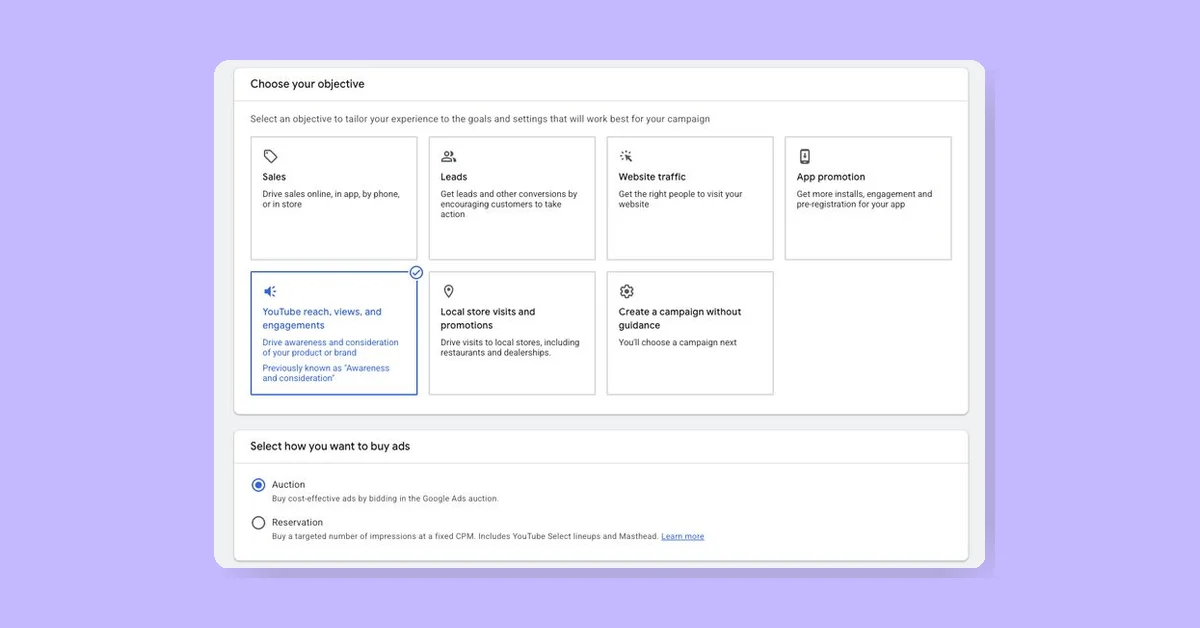
Google Ads renamed the "Awareness & Consideration" objective to "YouTube reach, views and engagements," which is clearer. Ads can be bought through Auction (Google Ads auction system) or Reservation (fixed CPM for impressions, including YT Select and Mastheads). Reservation is available to a limited number of accounts, offering new advertising opportunities.
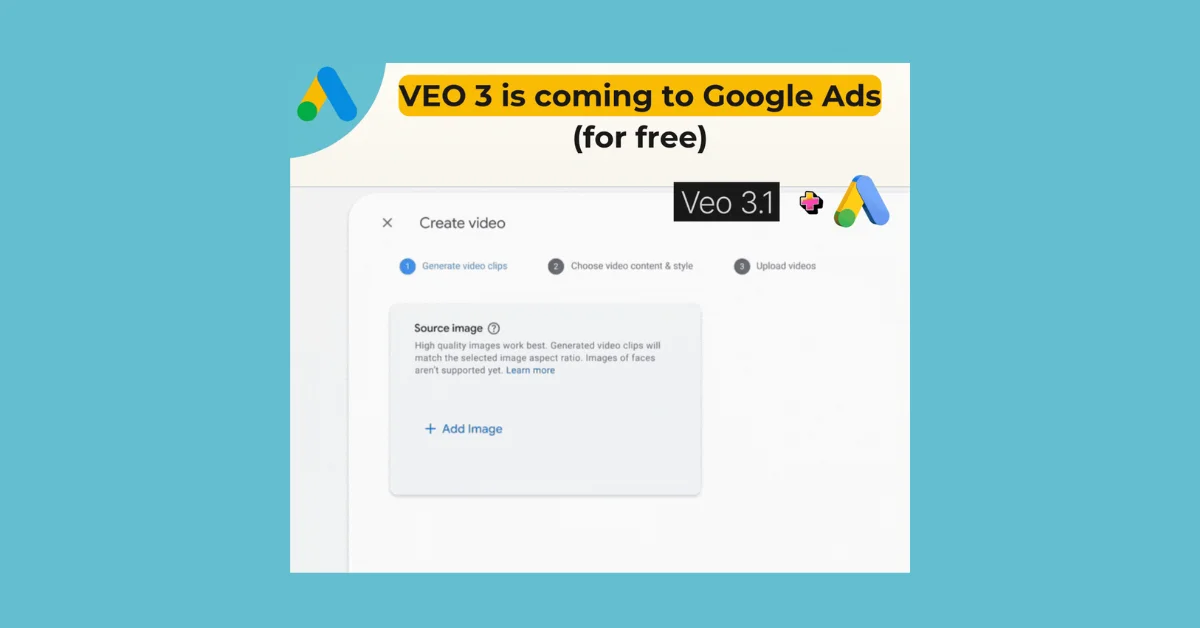
VEO 3 will be integrated for free into Google Ads Asset Studio, making it a complete AI power tool. Users will have access to Nano Banana Pro and VEO 3 AI image and video creation tools together, with unlimited credits for video generation for now. This update is highly anticipated and significantly enhances Google Ads Asset Studio's capabilities.
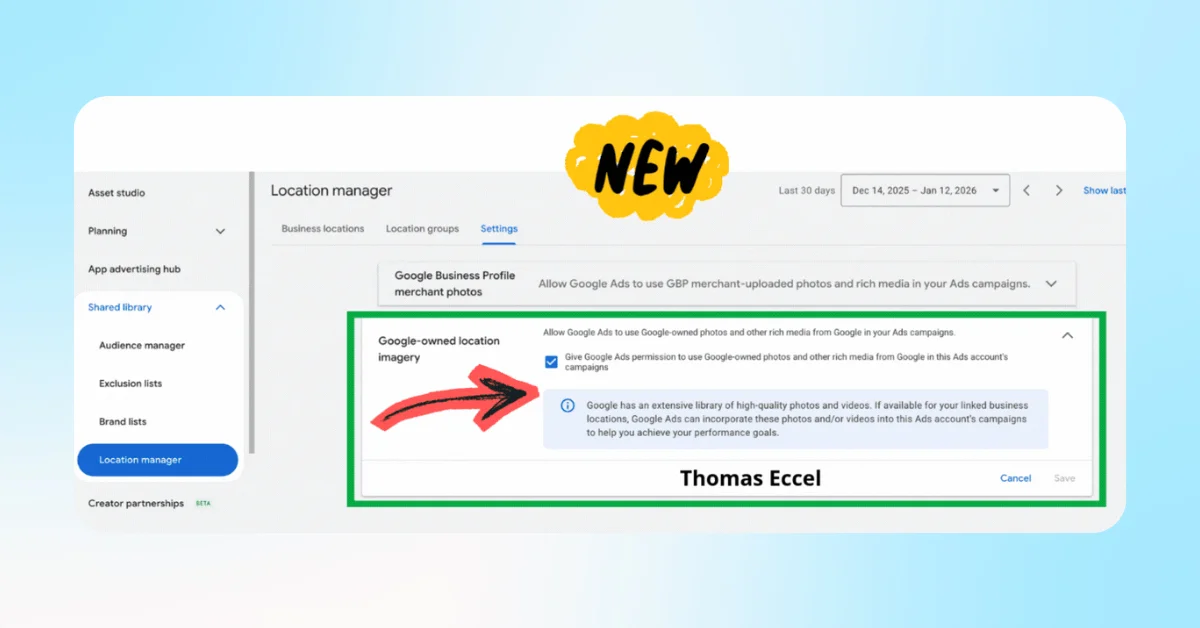
Google Ads Shared Library's Location Manager now has a default opt-in allowing Google to use its own images in your ad campaigns without prior consent. This change, spotted by Conor Crummey, may be seen as sneaky since users weren't given an opt-out chance and images might not always align with business needs or brand safety. However, it can be useful for businesses lacking media or wanting to try Google AI. Awareness of this update is important.
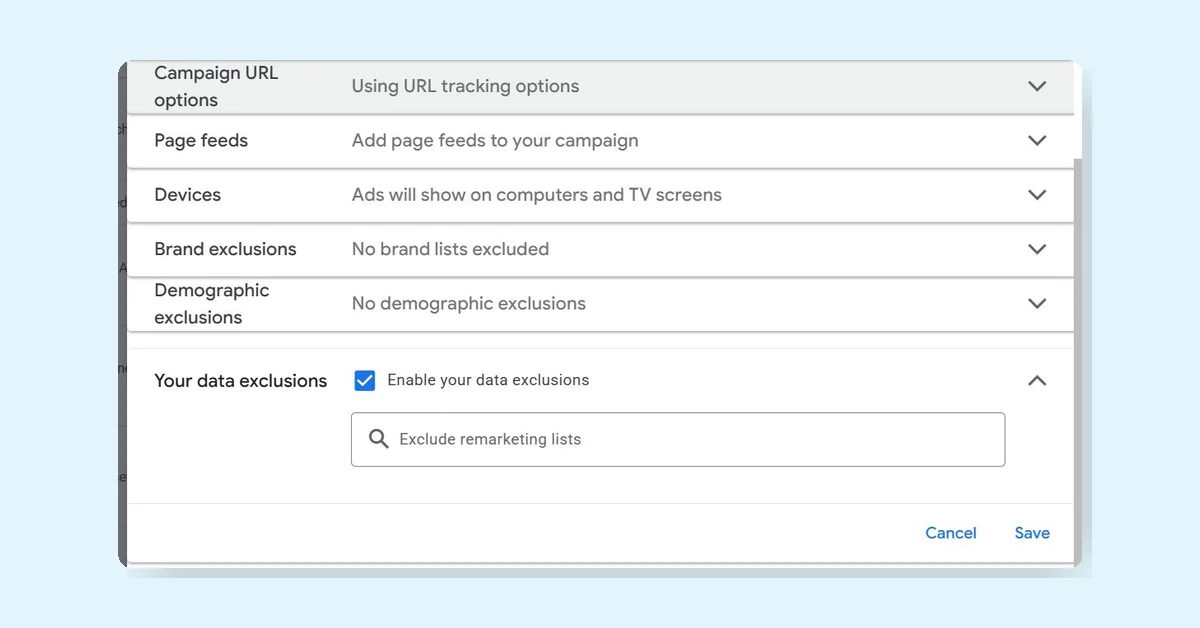
PMax introduced a new feature called "Your Data Exclusions" that allows excluding first-party data from PMax campaigns. This setting lets users exclude Remarketing Lists and Customer Match Lists directly at the campaign level, removing all remarketing lists, not just audience signals. It can be found under Campaign Settings, within demographic exclusions, where you enable and select your lists to exclude.
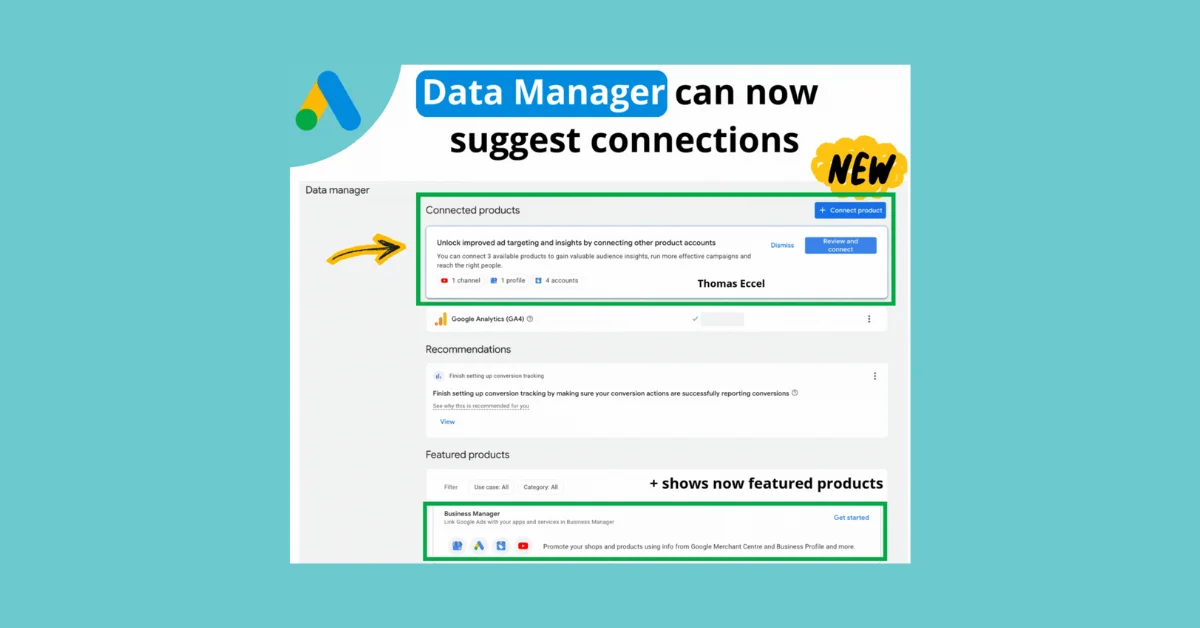
Google Ads Data Manager now suggests relevant product connections based on the user's login email to reduce manual searches and guide missing integrations. This update signals Google's push for a more interconnected ecosystem. For PPC professionals, account performance will increasingly depend on signal quality from integrated data like GA4, YouTube, and Merchant Center, which is crucial for Google's AI in 2026.
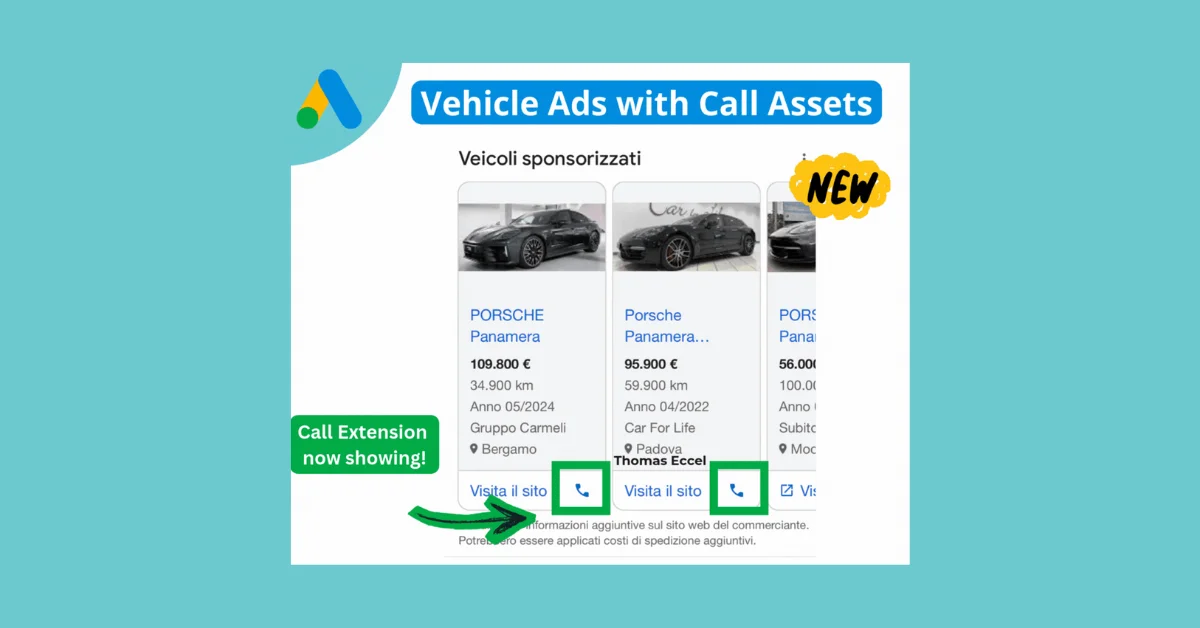
Google now includes Call Assets in Vehicle Ads, allowing direct calls to dealers and faster lead generation. This enhancement is significant for automotive advertisers as Vehicle Ads target bottom-of-funnel demand, and adding click-to-call improves user conversion.
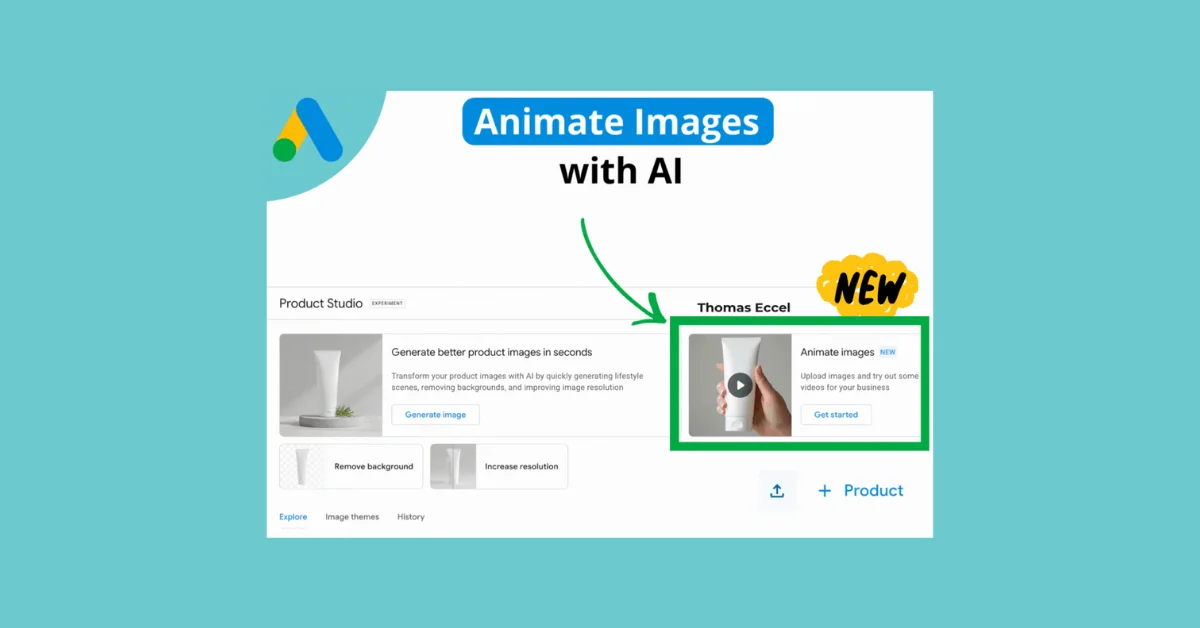
Google Ads is moving from static images to motion by introducing free AI Video Generation inside Google Merchant Center. Users can animate product images into short videos quickly, with Google providing an initial prompt upon upload. This benefits demand generation, YouTube Shorts, faster creative testing for e-commerce, and signals Google's preference for motion over static images. This feature may soon be available in Google Ads directly.
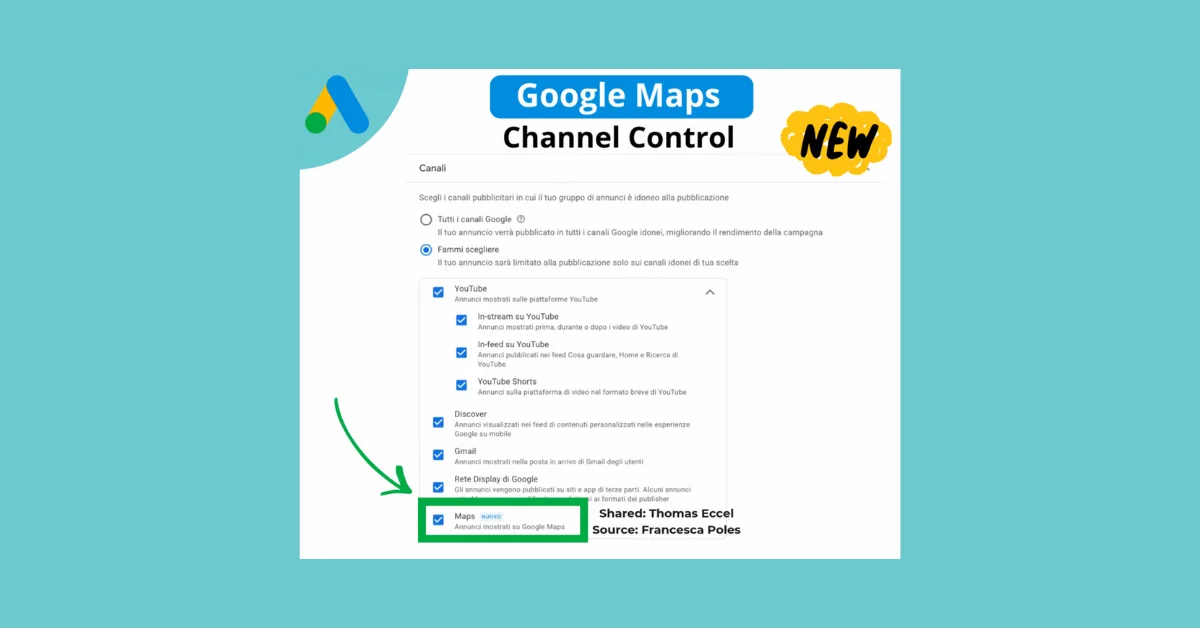
Demand Gen now includes "Google Maps" as a selectable channel in Channel Control, allowing its use within the channel mix or as a standalone campaign. This upgrade offers new ways to optimize Demand Gen campaigns and could significantly impact campaign strategies. For optimization tips, the Demand Gen Playbook is recommended.