OpenAI's Batch API allows grouped requests at half the cost, ideal for non-immediate tasks. It's useful for large-scale SEO tasks like keyword clustering. The API works with all OpenAI’s models, including GPT-3.5-turbo-16k and GPT-4-turbo. A Python guide demonstrates how to use the Batch API for clustering SEO keywords, including preparing a batch file in JSONL format, uploading the file, and retrieving results.
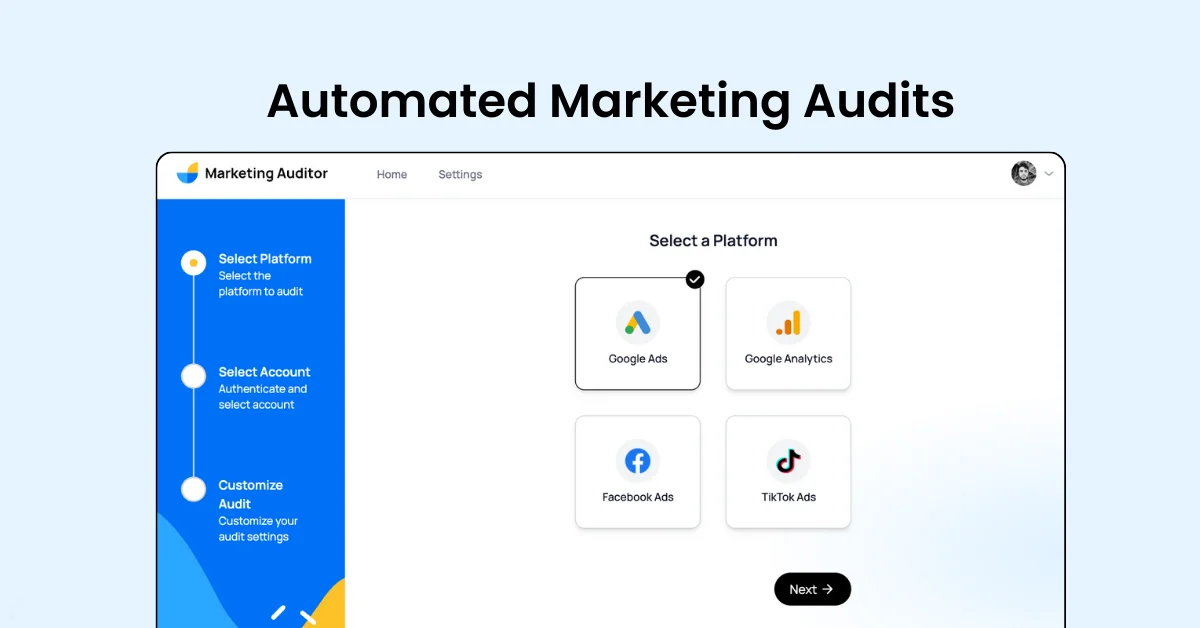
Run an automated Google Ads audit directly from Google Sheets with 40+ built-in checks. Review campaigns, ad groups, keywords, ads, and account settings to catch missed best practices and optimization gaps. Ideal for agencies and in-house teams to standardize audits, save hours of manual work, and turn findings into clear, actionable recommendations.
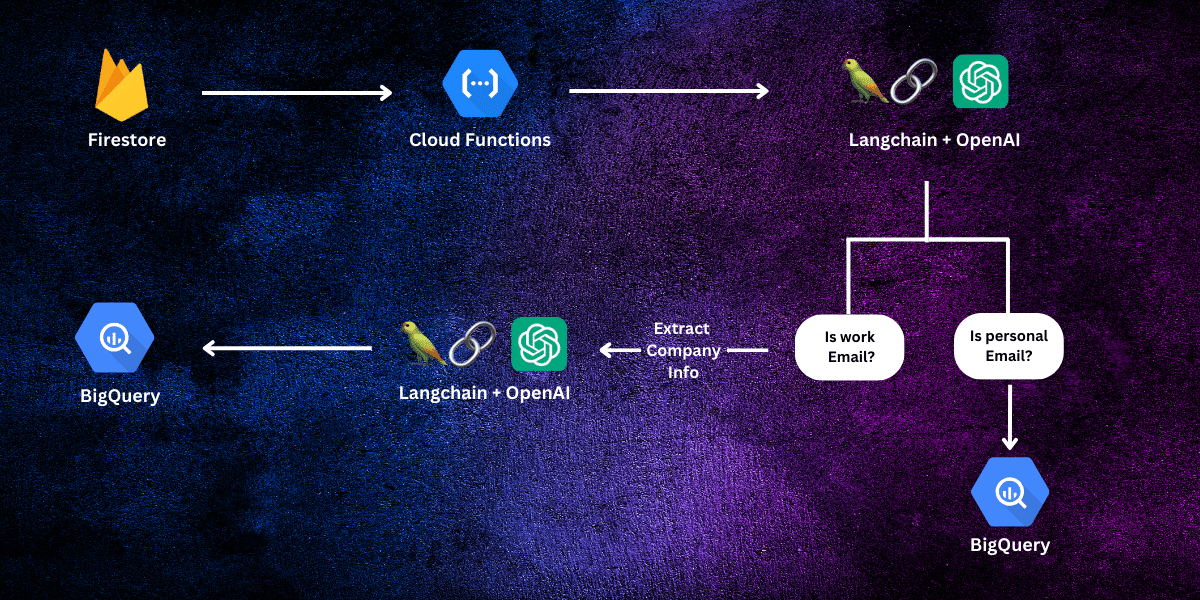
The author explains how to build a data pipeline for transferring user data from Firestore to BigQuery and retrieving company information from work emails. The process involves using Firebase Functions for data transformation, classifying emails, extracting company domain from work emails, and using LangChain + GPT-4 to scrape and process the company's homepage content. The pipeline is used for the author's website, Sphinx Mind.
The article guides on detecting and classifying bot traffic in Google Analytics 4 (GA4) using BigQuery ML. It discusses identifying bot traffic through demographic and behavioral data, training a BigQuery ML classification model, evaluating the model, making predictions, and using predictions to counter bot traffic. It also provides SQL code snippets and explains result interpretation.
The article offers a guide to track Facebook Ads change history in Google Sheets. The author's script uses the Facebook Marketing API and Google App scripts to monitor changes within a specific timeframe. The guide covers creating a Facebook App, generating an Access Token, and setting up the Google App Script. The script can be set to run continuously for automated monitoring of Facebook Ads campaigns.
The article offers a guide on integrating Facebook ads data into BigQuery using Google App Scripts. It highlights the need for consolidating ad data for a holistic view of marketing investments. It outlines three ways to upload Facebook Ads data to BigQuery, emphasizing Google App Scripts as a free, efficient solution. It includes instructions on configuring BigQuery, preparing Google Sheet, and scheduling the script.
The article is a guide on automating keyword research using Google Ads Keyword Planner API and Google Sheets. It details the process of using the API to generate keyword ideas, creating a Cloud Function as an API endpoint, and calling the API from Google Apps Script. The guide includes Python code for each step. This method can save time for marketers, SEO specialists, and PPC experts managing multiple campaigns.
OpenAI's GPT-3, a pre-trained ML model, is enhancing services of Google, Facebook, and Microsoft. The article demonstrates how to use GPT-3 to generate ad keywords and text. After obtaining an OpenAI API key, users can run code on Google Colab to install the OpenAI library. The model's parameters can be adjusted and it can create keywords or write ads.
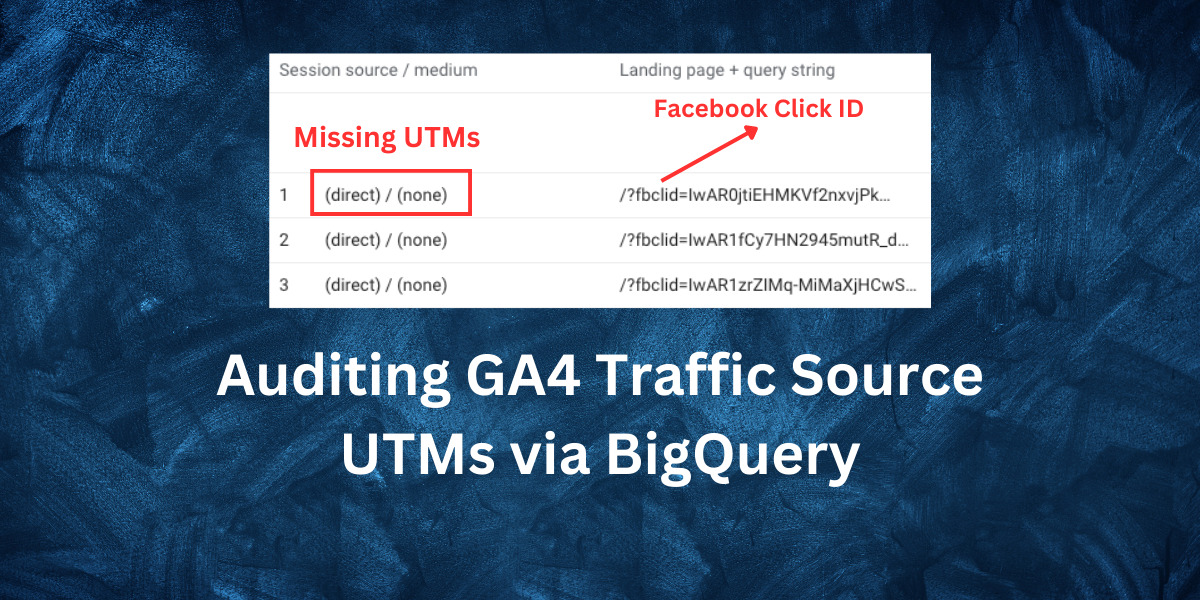
The article provides a guide on using BigQuery to audit GA4 UTMs. It explains the use of the 'Landing Page + query string' field in GA4 to find missing or inconsistent UTMs. The author details how to audit landing pages, including the settings for GA4's Explore report. The piece also discusses customizing the query for additional click ID fields and identifying pages missing UTM parameters.
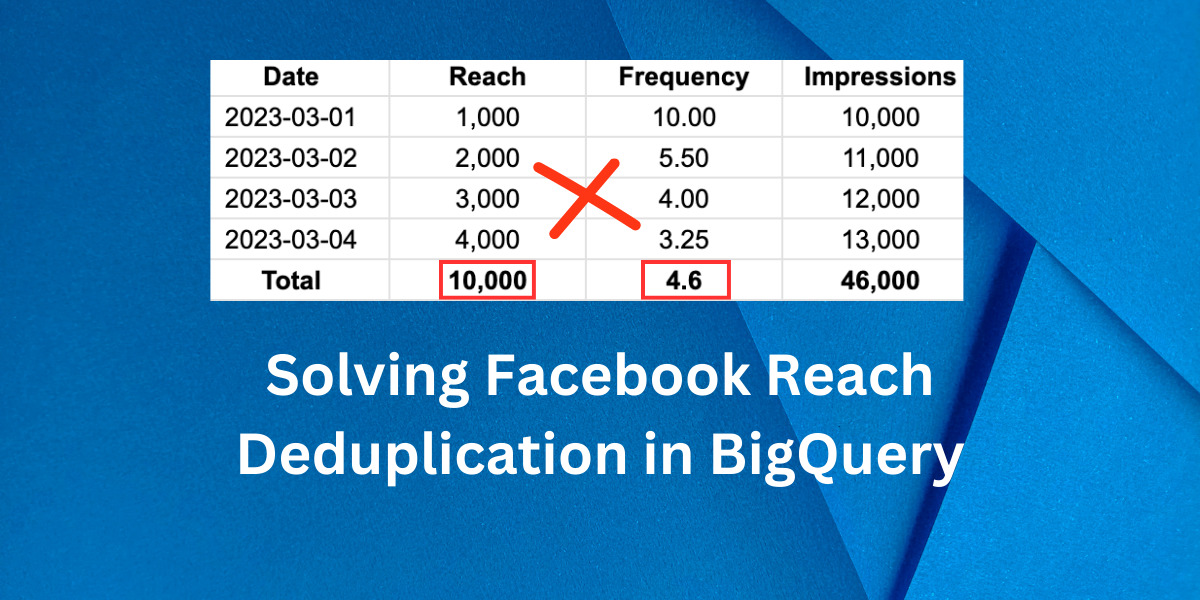
The article provides a solution for Facebook Reach Deduplication in BigQuery using Python. Reach, a unique metric in Facebook Ads, can cause discrepancies in data. The author suggests a Reach & Frequency pipeline in BigQuery to calculate unique reach. This involves structuring and extracting data from the Facebook Marketing API, generating date ranges, making API requests, uploading data to BigQuery, and visualizing it in Looker Studio.