
Anthony is a seasoned Digital Marketing Manager with expertise in PPC advertising, social media management, SEO, and WordPress. He has a strong background in communication and customer service from his service industry experience. Additionally, he is a licensed real estate agent and part-time investor/developer in Philadelphia. Anthony holds a B.A. in Journalism and Health Science from West Chester University of Pennsylvania.
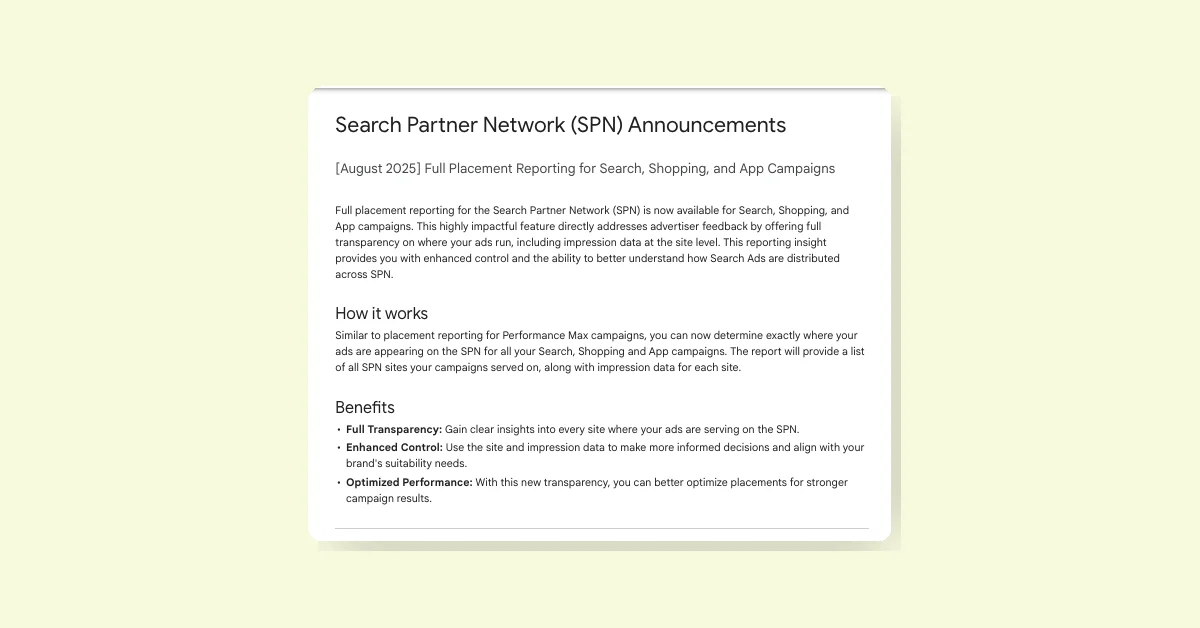
Google Ads now offers full placement reporting for the Search Partner Network across Search, Shopping, and App campaigns. Advertisers can see exactly where their ads run with site-level impression data. This transparency allows better control, informed decisions, and improved campaign optimization by understanding ad distribution on SPN sites. This feature addresses long-standing advertiser requests for more visibility.
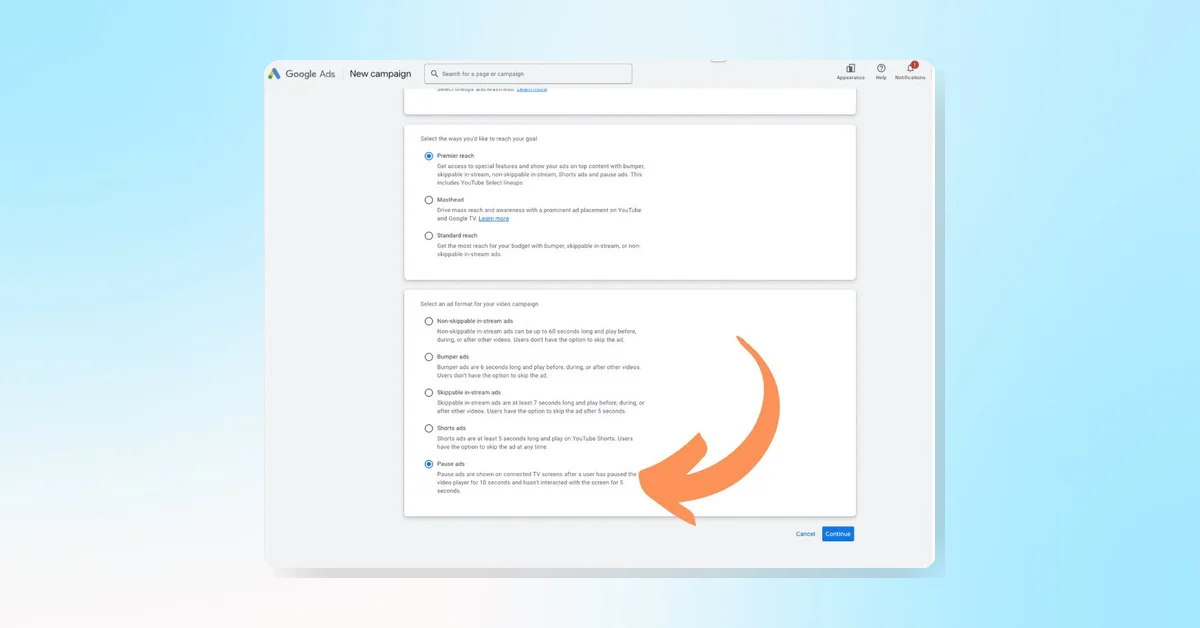
Google has launched a new Ad Type called "Pause Ads" for YouTube, allowing advertisers to display banner ads when a video is paused. This feature engages users at a moment of higher attention without disrupting their viewing experience. It is available for Video Reach campaigns using CPM bidding and shown only on YouTube in-stream ads as a static overlay. This method targets focused viewers and offers opportunities for tailored messaging during pause moments.
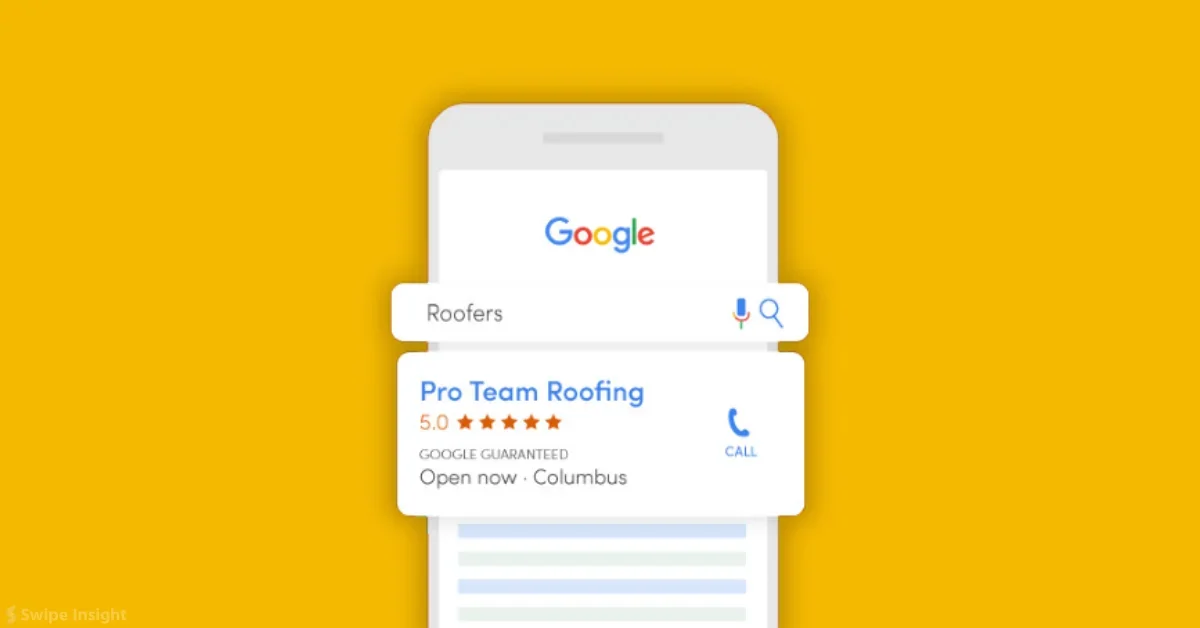
Google Ads advertisers must accept new Local Service Ads terms by June 2025. Key updates include provisions allowing Google to modify and use content from advertisers' profiles and communications, including calls and messages. Agencies managing LSA for advertisers are also covered under these terms. Advertisers must accept the new terms by June 5, 2025, or their ads will be ineligible. Acceptance won't affect bids or budgets, but failure to accept will result in ad ineligibility.
Upload all Meta ad types in bulk directly from Google Sheets, single image, video, carousel, and flexible ads. Control placements, multiple headlines, primary texts, descriptions, and creatives from one spreadsheet. Built for agencies and teams managing dozens of ads across multiple accounts, helping you launch faster, stay consistent, and avoid costly manual errors.
Google updated its "How the Google Ads auction works" page to clarify that it runs different auctions for each ad location, meaning top ads are chosen separately from others. Ads can appear multiple times across different locations but only once in a single location. The auction process is determined by six factors: bid amount, ad and landing page quality, expected impact of ad assets, Ad Rank thresholds, ad context, and auction competitiveness.
Google has introduced automatic enrollment for Local Services Ads (LSA), pre-opting accounts with a booking link on their Google Business Profile into the booking feature. This allows customers to book services directly through LSA using the same booking link. Bookings will be charged like calls and messages and will be visible in the Local Services Ads lead inbox. Concerns have arisen over the lack of immediate opt-out options, but businesses can disable the feature in their Profile.
Google Ads is enhancing offline conversion quality in Performance Max and Smart Campaigns starting February 28. The update will focus on locally engaged users through Search and Google Maps, limiting view-through conversions from Display and YouTube. Advertisers may see a decrease in conversion volume and an increase in cost-per-conversion. Recommendations include relaxing targets, diversifying goals, expanding location targeting, reviewing campaign settings, and optimizing creatives.
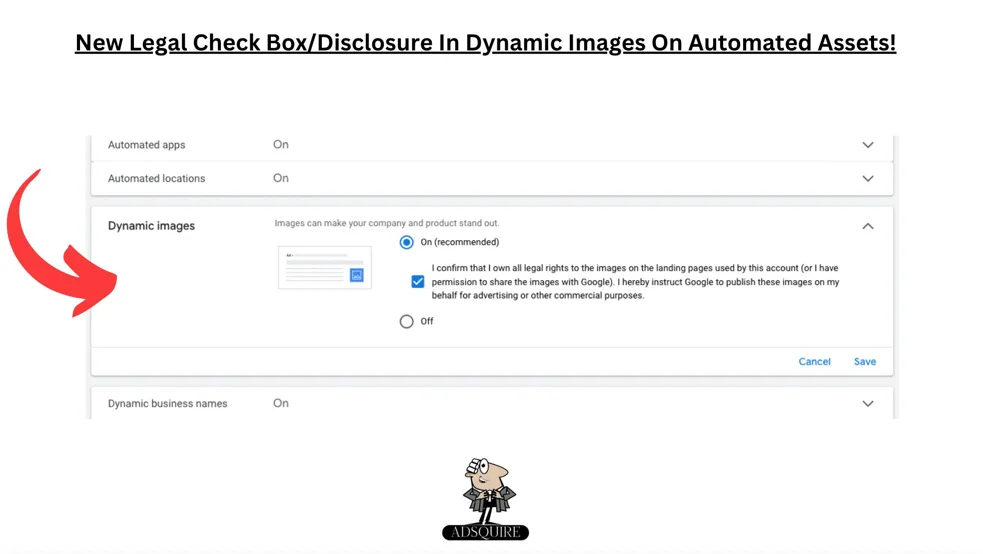
Google Ads has introduced a mandatory legal waiver checkbox for image uploads, requiring advertisers to confirm ownership or authorization of images on landing pages. Users must declare their rights and instruct Google to publish these images for advertising. This waiver integrates with automated assets, affecting both new and existing disclosures. Additionally, Google's AI assistant suggests images from landing pages for ad creation.
Google is making changes to its Local Service Ads for tax specialists, starting the week of January 6, 2025. Key features being removed include message leads, auto-crediting, booking capabilities, and call recording. Despite these removals, Google stated that tax specialist ads will continue to function normally without any action needed from advertisers. The changes focus on operational aspects while keeping core advertising intact.
Google will discontinue its Local Services Ads (LSA) mobile app on January 6, 2025, shifting management to a browser-based platform. Campaigns will remain operational and can be managed via web browser, desktop, mobile browser, or the ads.google.com/localservices portal. There is no reported impact on campaign performance, and all functionality will transition to the web platform seamlessly.