Mike is the Head of Ecommerce Insights at Smarter Ecommerce (smec), leveraging his retail operations experience and digital marketing expertise to drive business outcomes. With over 5 years in product management and marketing, he has led innovation projects and won Google's Shopping Innovation Award. His skills include data visualization, automation technology, user research, and customer-centric product development, all aimed at optimizing ecommerce performance for clients.
Google is updating its ad auction system for Performance Max (PMax) and Standard Shopping campaigns starting in October. PMax will no longer automatically take priority over Standard Shopping campaigns; the highest Ad Rank will now serve. This aims to reshape competition during the holiday season, with a neutral or positive impact expected. Advertisers may need to adjust strategies and budgets, follow PMax best practices, and monitor performance.
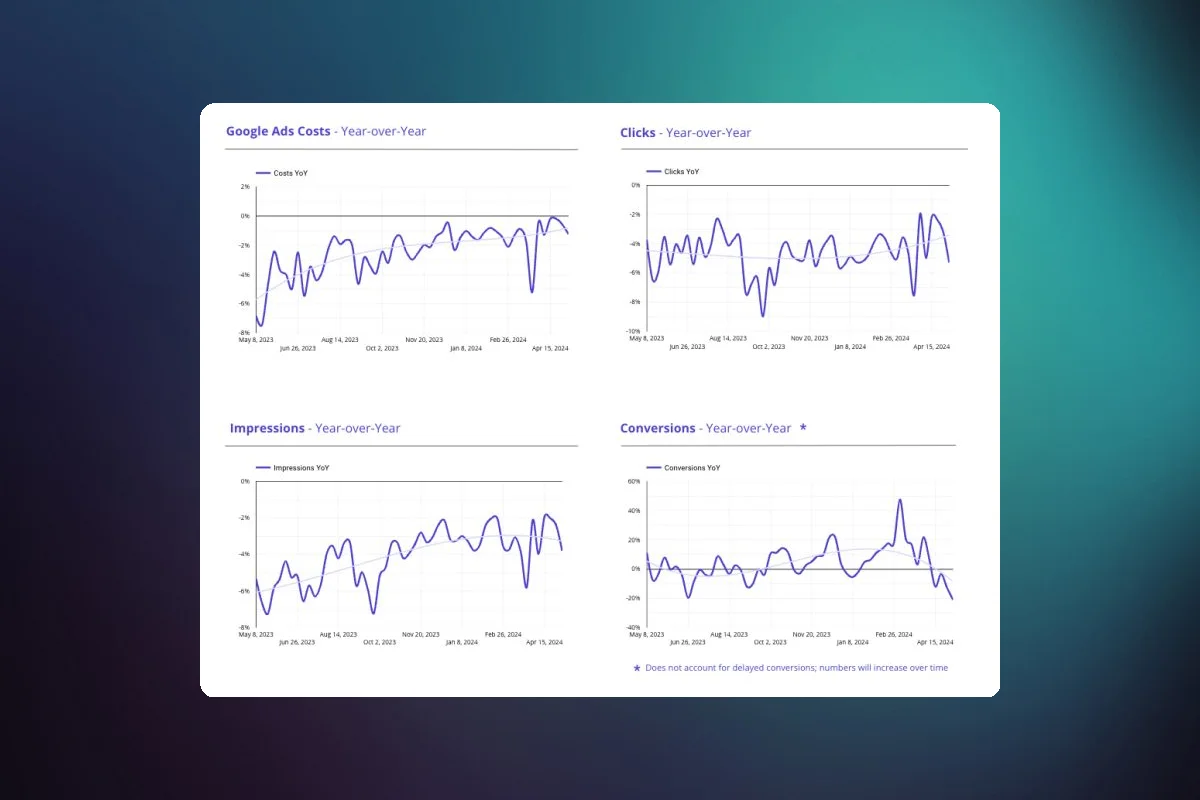
Paid search advertisers are shifting their spending from Search campaigns to PMax and Shopping. Search's share of ad spend has dropped from 39% to 21%, with a quarterly decline rate of -0.85%. PMax and Shopping are gaining traction, though PMax's growth has plateaued recently. Google may need to introduce new features to boost PMax adoption, as many advertisers find it challenging to control and optimize.
The SMEC Market Observer is a free report that has been revamped to include Google Ads and PMax data. It presents 11 charts, 7 metrics, such as CPC, CTR, and conversion rate, and data from 8 industries and 3 channel types. Users can choose custom time ranges and view weekly data and trends. The team behind this report is comprised of Ivan Petrov, Franz Lusser, and Tim Wlcek from Smarter Ecommerce.
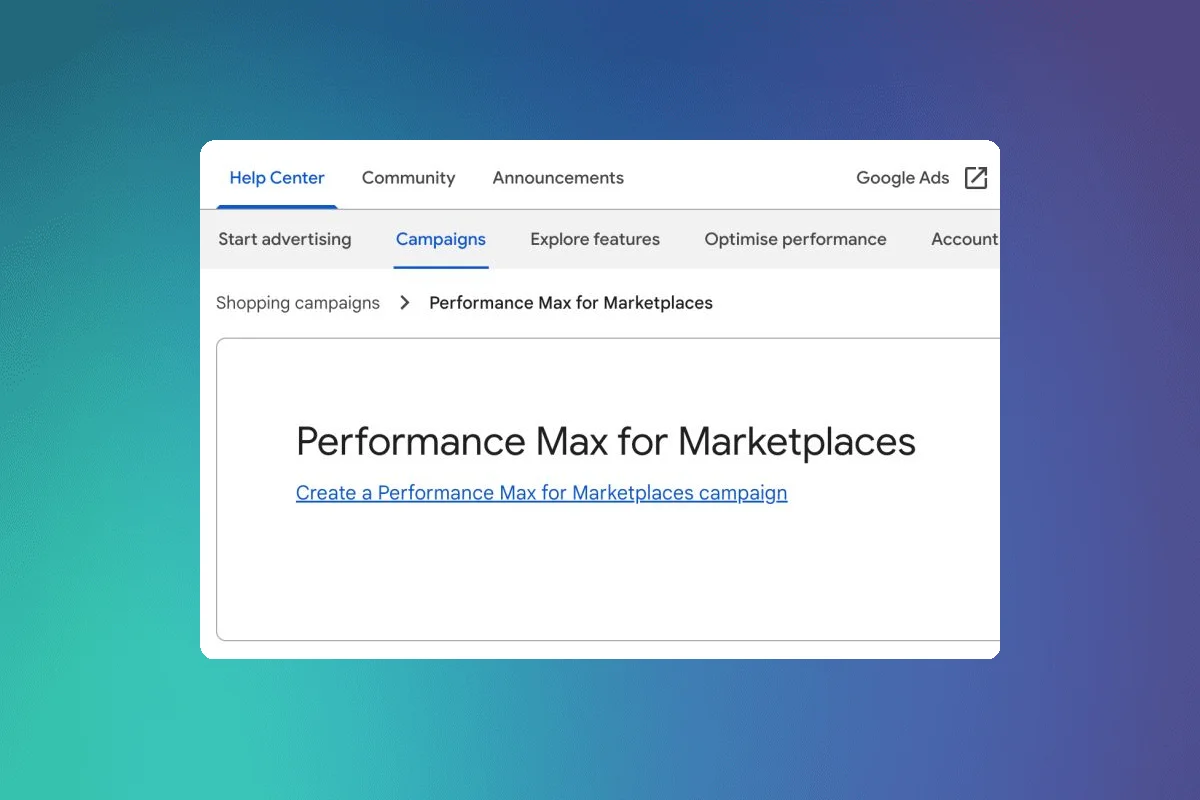
New Performance Max for Marketplaces enables sellers to drive Google paid traffic to Amazon and other marketplaces using a Google Ads account. The program, which may appeal to Chinese manufacturers, could intensify CPC wars and race-to-the-bottom pricing, underscoring the importance of data input and output optimization.
Run a Meta Ads audit with 100+ data points using a structured, automated checklist. Review campaigns, ad sets, ads, creatives, targeting, budgets, and delivery settings to spot hidden issues and missed optimizations. Built for agencies and teams managing multiple accounts who want consistent audits, faster reviews, and clear, actionable insights—without manual digging.
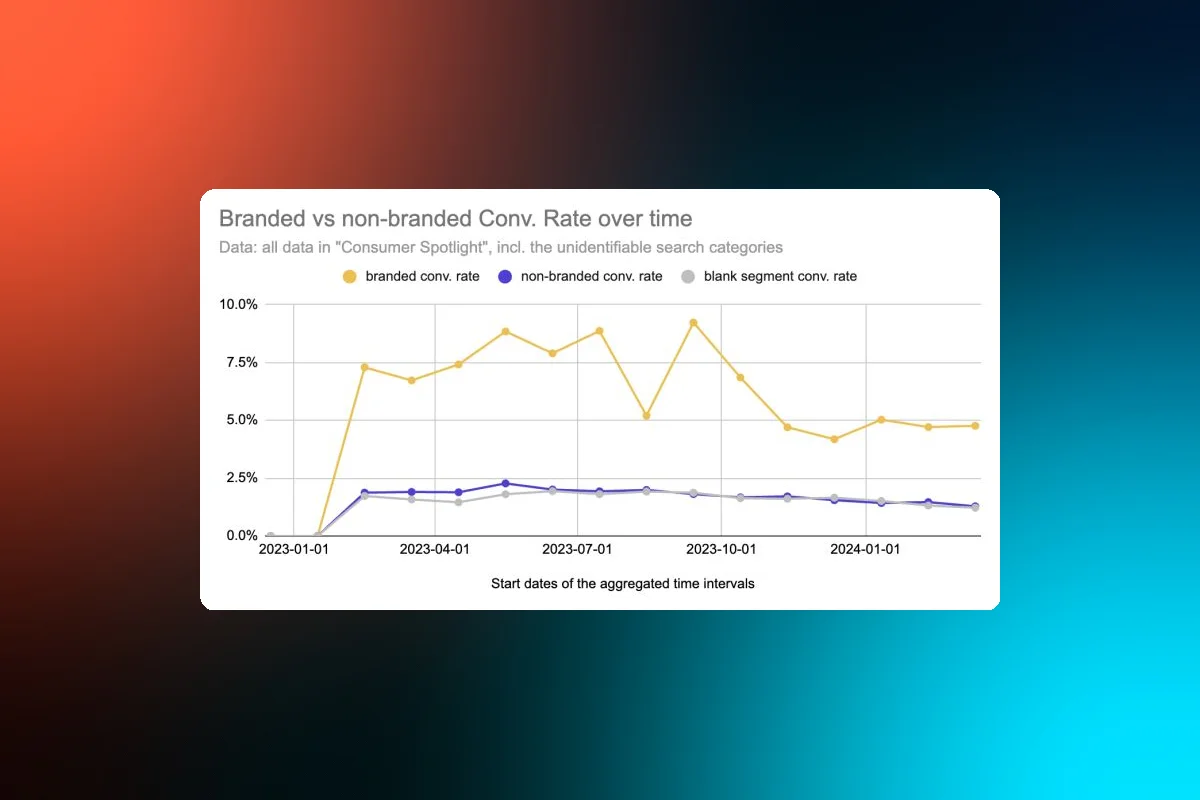
New PMax brand/non-brand script now includes updated conversion rate and CTR for improved performance comparison, and better accuracy with blank/uncategorized data. The script maintains the same timeline charts. A more powerful API version is being developed in the Google Ads software. Credits to Ivan Petrov, Ines Weber, and Ivana Dukic.
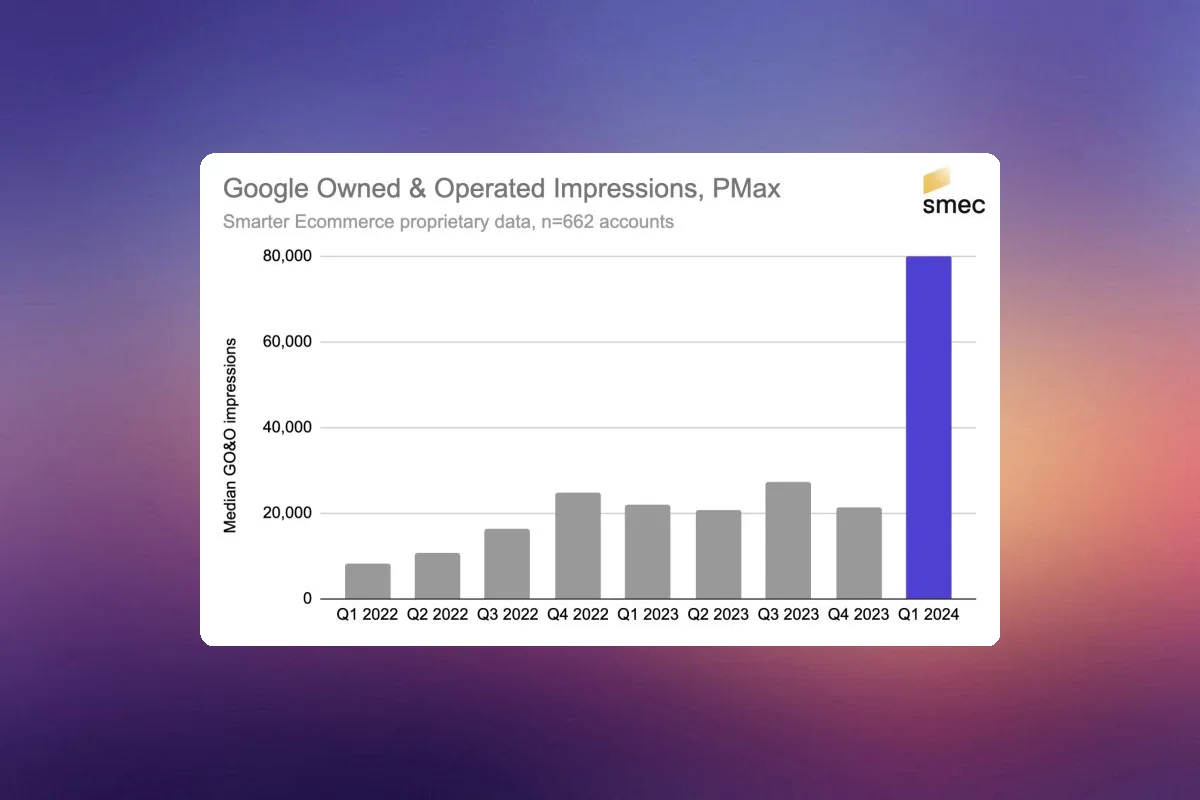
Google has notably increased the amount of Owned & Operated (O&O) impressions served by Performance Max campaigns. O&O refers to ad space on Google-owned platforms such as YouTube, Discover, Gmail, Maps. Impressions surged by 272% in the past quarter. This didn't impact other PMax placements, with app placements remaining stable and web placements gaining 45%. This trend is significant for both advertisers and shareholders.
An online encore of the Google Auction Insights deep dive is scheduled for tomorrow. The session is designed for those interested in a blend of technical and business context. The webinar will cover topics like understanding Auction Insights, calculating custom metrics like Competitor Power, rarely used reporting options, visualization techniques, correlation of Auction Insights data with performance data, and more. A Q&A session will follow.