The European Commission is investigating Google for possible breaches of EU competition rules regarding its AI practices. The inquiry focuses on whether Google uses publisher content without compensation or opt-out options, affecting search traffic. It also examines Google's use of YouTube content for AI training without paying creators, potentially giving Google an unfair market advantage.
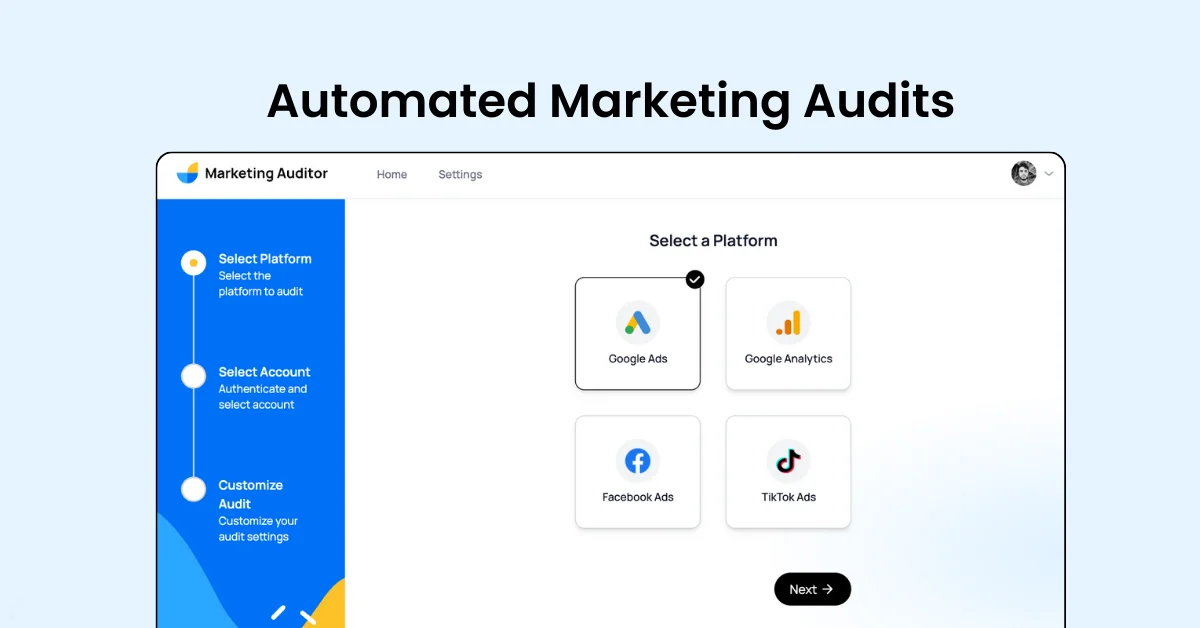
Run an automated Google Ads audit directly from Google Sheets with 40+ built-in checks. Review campaigns, ad groups, keywords, ads, and account settings to catch missed best practices and optimization gaps. Ideal for agencies and in-house teams to standardize audits, save hours of manual work, and turn findings into clear, actionable recommendations.
The European Commission fined Meta €200 million and Apple €500 million for breaching data consent regulations and anti-steering obligations under the Digital Markets Act. Meta's 'Consent or Pay' model did not provide users a compliant choice for less personalized services, and Apple restricted app developers from informing users about alternatives outside its App Store. Both companies must comply within 60 days or face penalties.
The European Commission fined Meta €797.72 million for breaching EU antitrust rules by tying Facebook Marketplace to Facebook and imposing unfair trading conditions on other online classified ads service providers. Meta abused its dominant position in personal social networks and online display advertising, giving Facebook Marketplace an unfair advantage. The fine was based on the duration and gravity of the infringement and Meta's turnover.
TikTok is ending its "TikTok Lite" rewards program in Europe after an EU Commission investigation raised concerns about Digital Services Act (DSA) violations. The program, offering cash incentives for in-app activity, risked promoting app addiction among younger users. To avoid penalties up to 6% of global revenue, TikTok will permanently discontinue the program. This decision sets a precedent for DSA enforcement, aiming for better accountability and transparency in social media.
Meta's ad-free subscription in Europe is under scrutiny by the Consumer Protection Cooperation Network (CPC) for being misleading. Launched last November, it allows EU users to pay to opt out of ads and data tracking. Privacy advocates argue it should be free under EU regulations. The EU Commission ruled it violates the Digital Markets Act (DMA). CPC found Meta's documentation confusing and pressuring users. Meta has until September 1, 2024, to respond.
The EU Commission found X's sale of verification ticks violates the Digital Services Act (DSA), misleading users and promoting misinformation. This impacts Meta's similar packages. X lacks ad transparency and restricts researcher access. Elon Musk plans to fight in court, alleging illegal censorship by the EU. X could face fines or expulsion if non-compliance is confirmed. The case will test the EU's enforcement powers and set a precedent for verification systems.
Today, the European Commission designated 17 Very Large Online Platforms (VLOPs) and 2 Very Large Online Search Engines (VLOSEs) under the Digital Services Act (DSA). These platforms, including Facebook, Google, and Amazon, must comply with new obligations within four months to protect users, especially minors, and enhance transparency. The DSA aims to reduce online harms, ensure robust content moderation, and provide greater accountability.
The EU Commission has initiated proceedings against Meta under the Digital Services Act. The focus is on whether Facebook and Instagram's systems could encourage behavioural addictions in minors and create 'rabbit-hole effects'. The Commission is also scrutinizing Meta's age-verification methods. The proceedings are based on a preliminary analysis of Meta's risk assessment report. The Commission will now conduct an in-depth investigation.