Ad targeting in Facebook/Meta ads involves defining the audience using various parameters. These can be combined using Boolean logic to manage audience size. The Campaign Budget Optimization feature allows multiple audiences to compete for a shared budget, favoring the best performer. The campaign goal guides ad optimization, with each conversion enhancing Meta's learning model. Effective audiences strike a balance between efficiency and scale, and necessitate a high-quality data connection.
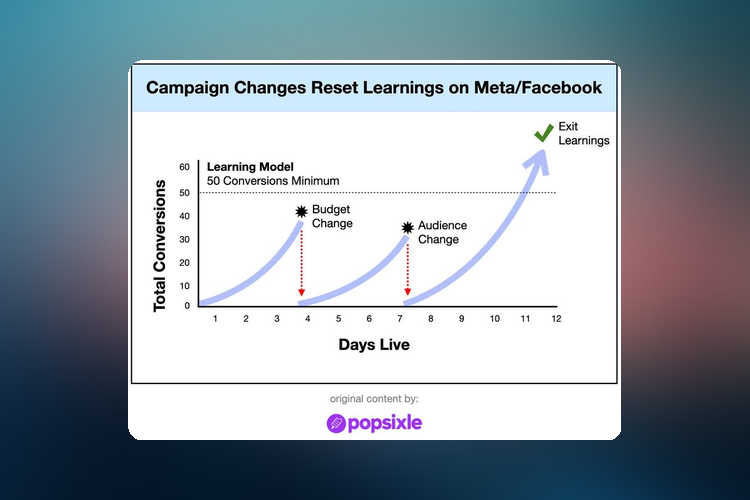
Frequent alterations to your Meta/Facebook ads can hinder performance as Meta creates a learning model of your top customers. After 50 conversions, a precise model is built that effectively finds more customers. However, changes to budget, ad set targeting, ad creative, or ad's URL reset campaign learnings. Instead, duplicate the campaign, apply changes to the new one, and deactivate the old one once the new one is operational. Patience is key to let Meta utilize its machine learning powers.
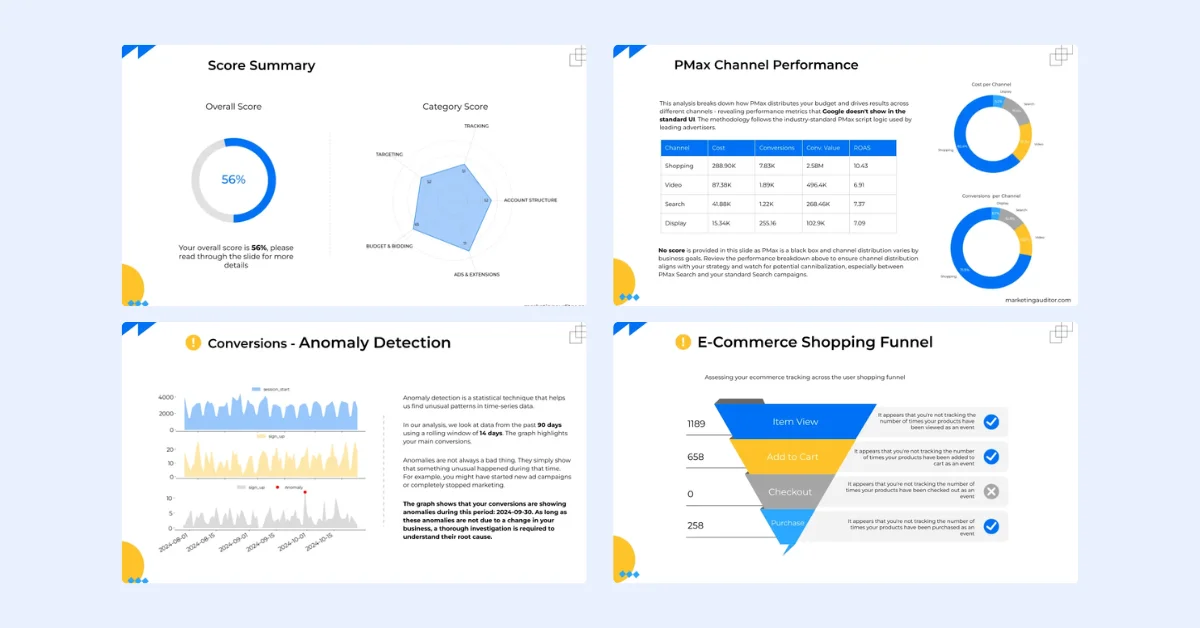
Run an automated Google Ads audit directly from Google Sheets with 40+ built-in checks. Review campaigns, ad groups, keywords, ads, and account settings to catch missed best practices and optimization gaps. Ideal for agencies and in-house teams to standardize audits, save hours of manual work, and turn findings into clear, actionable recommendations.
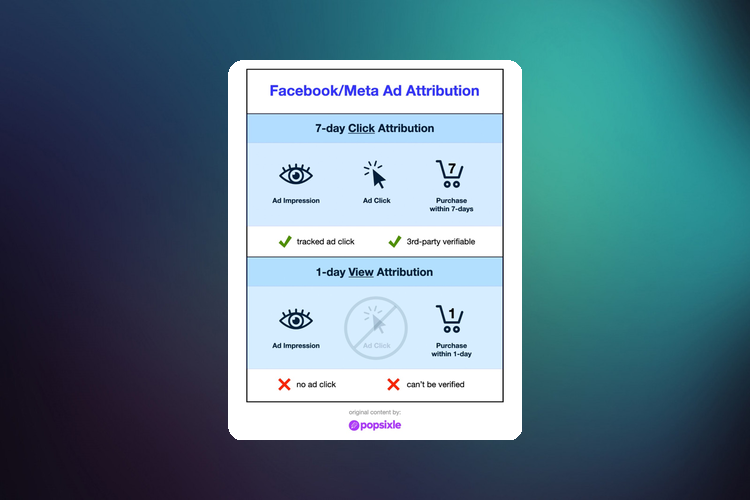
Meta's default attribution is 7-day click and 1-day view. Click attribution, which records an ad click, can be tracked and verified by 3rd-party platforms. In contrast, view attribution takes credit for a purchase even if the ad was only viewed, not clicked. The 1-day view can't be verified due to inaccessible Meta's impression logs and pixel data. It's crucial to separate it from the 7-d click for accurate attribution and use 1-day view as a reference only.