BigQuery will implement a default on-demand usage limit of 200TB per day starting September 1, 2025. Existing unlimited projects will be set to 200TB or a custom limit based on recent peak usage. This aims to prevent runaway queries and cost overruns. Large users exceeding 200TB daily should update limits or consider other editions. Changes apply to on-demand usage quotas, with audit logs available for monitoring.
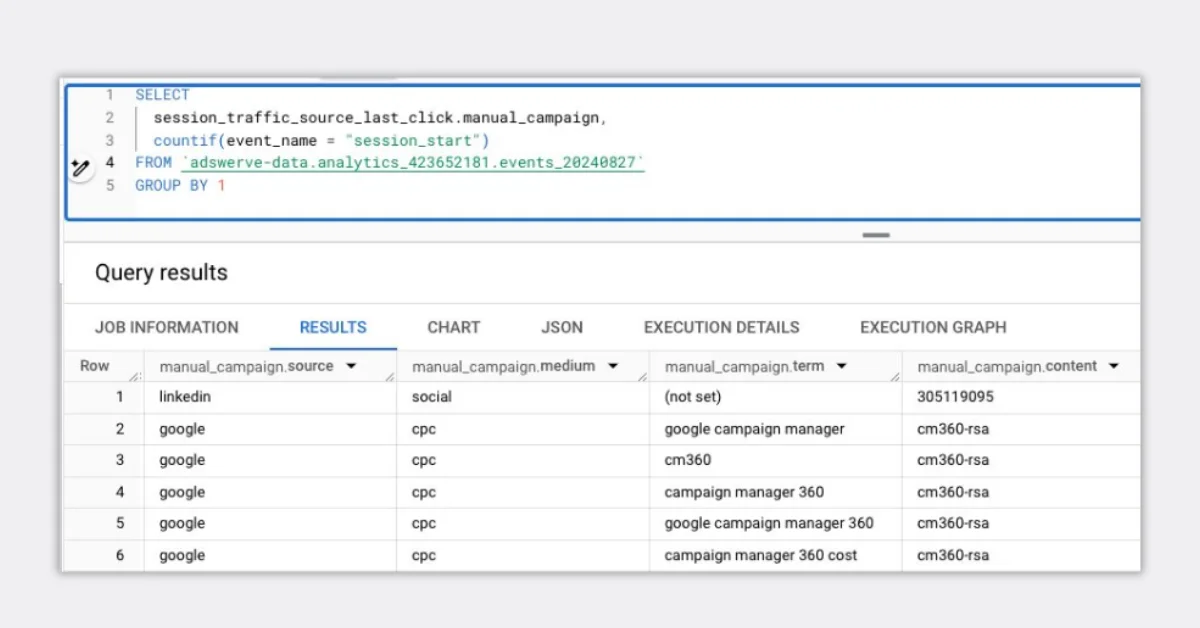
Google BigQuery has updated its SQL functionality to support GROUP BY and SELECT DISTINCT operations with arrays and structs, enhancing data analysis flexibility. Users can now group by entire struct fields in one operation and perform nuanced data deduplication across complex types. These improvements streamline queries and reduce complexity, particularly for grouping session traffic source fields.
Google has introduced the CHANGES function in BigQuery for enhanced data tracking. It allows users to return rows that have changed within a specified time range, supporting operations like INSERT, UPDATE, DELETE, and more. Users can specify timestamps to retrieve changes, with additional metadata provided. The table must have the change_history option enabled, and the function is limited to a 7-day time travel window and a maximum one-day range.
BigQuery now allows setting a default storage billing dataset for new datasets at the organization or project level. Physical storage, billed based on physical bytes and including time travel, is cost-effective for highly compressible data, offering up to 90% savings, especially for datasets like Google Analytics 4 exports. Physical storage costs $0.04/$0.02 per GB per month, compared to logical storage at $0.02/$0.01. Regular monitoring is recommended for optimal billing setup.
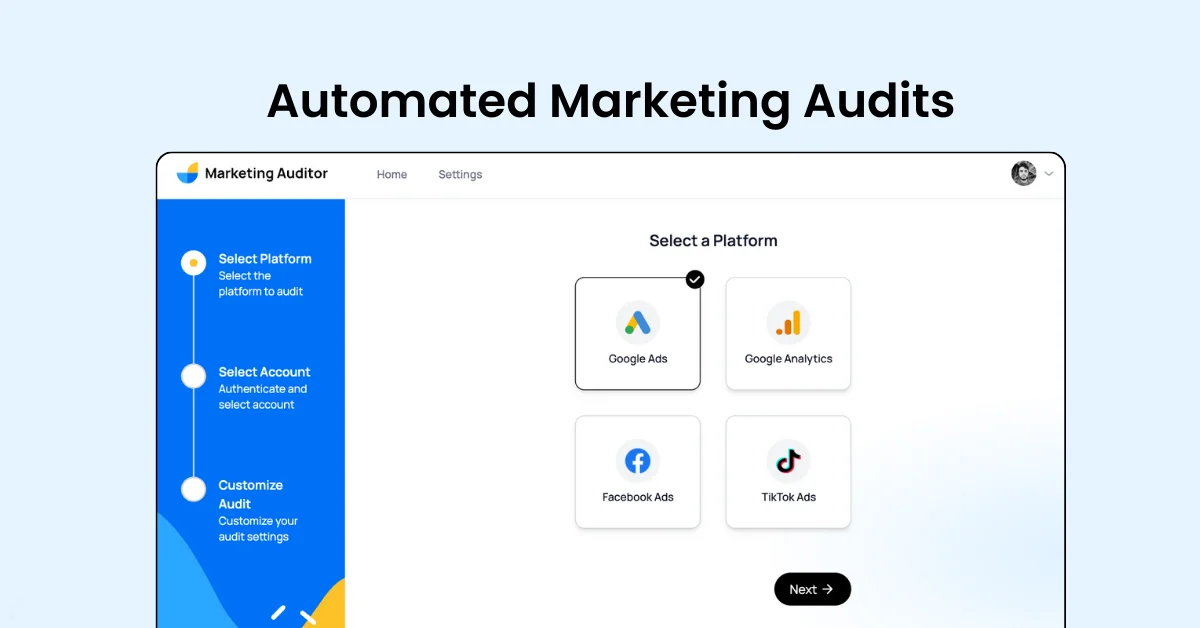
Run a Meta Ads audit with 100+ data points using a structured, automated checklist. Review campaigns, ad sets, ads, creatives, targeting, budgets, and delivery settings to spot hidden issues and missed optimizations. Built for agencies and teams managing multiple accounts who want consistent audits, faster reviews, and clear, actionable insights—without manual digging.
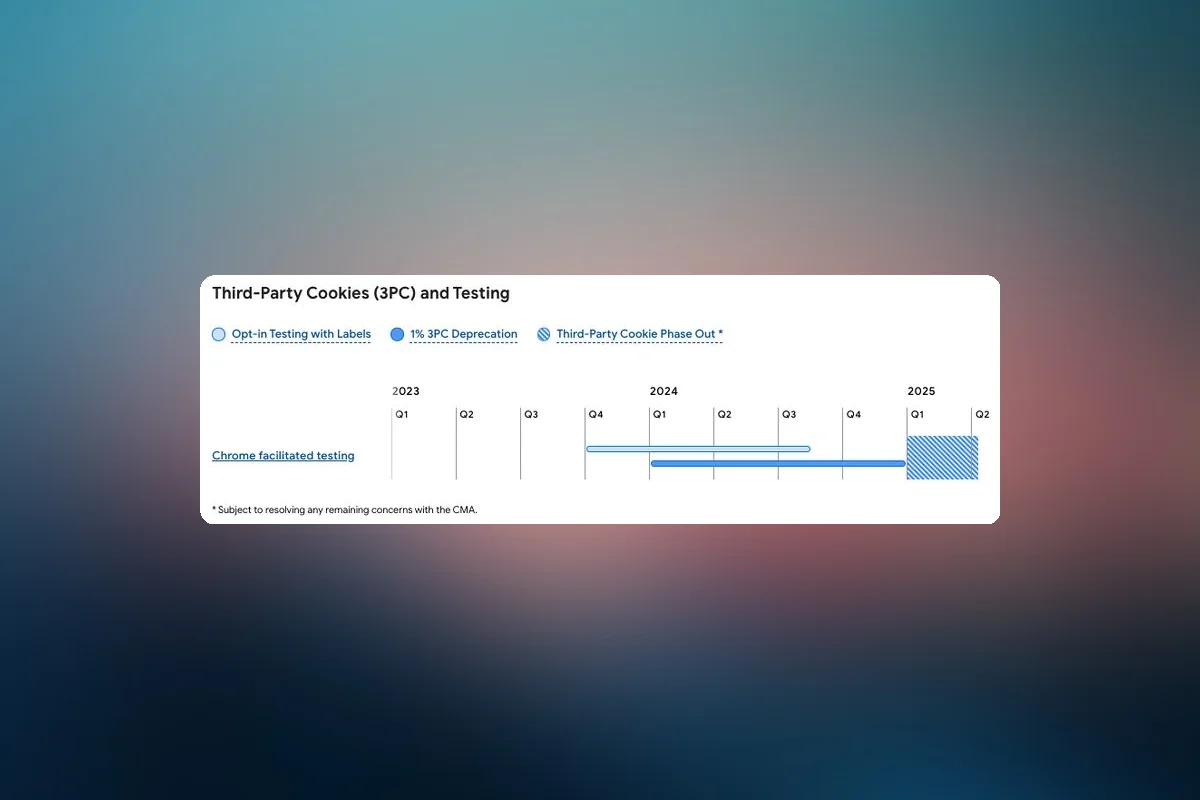
Google has delayed the deprecation of third-party cookies in Chrome until early 2025, subject to resolving any remaining issues with the UK's Competition and Markets Authority (CMA).
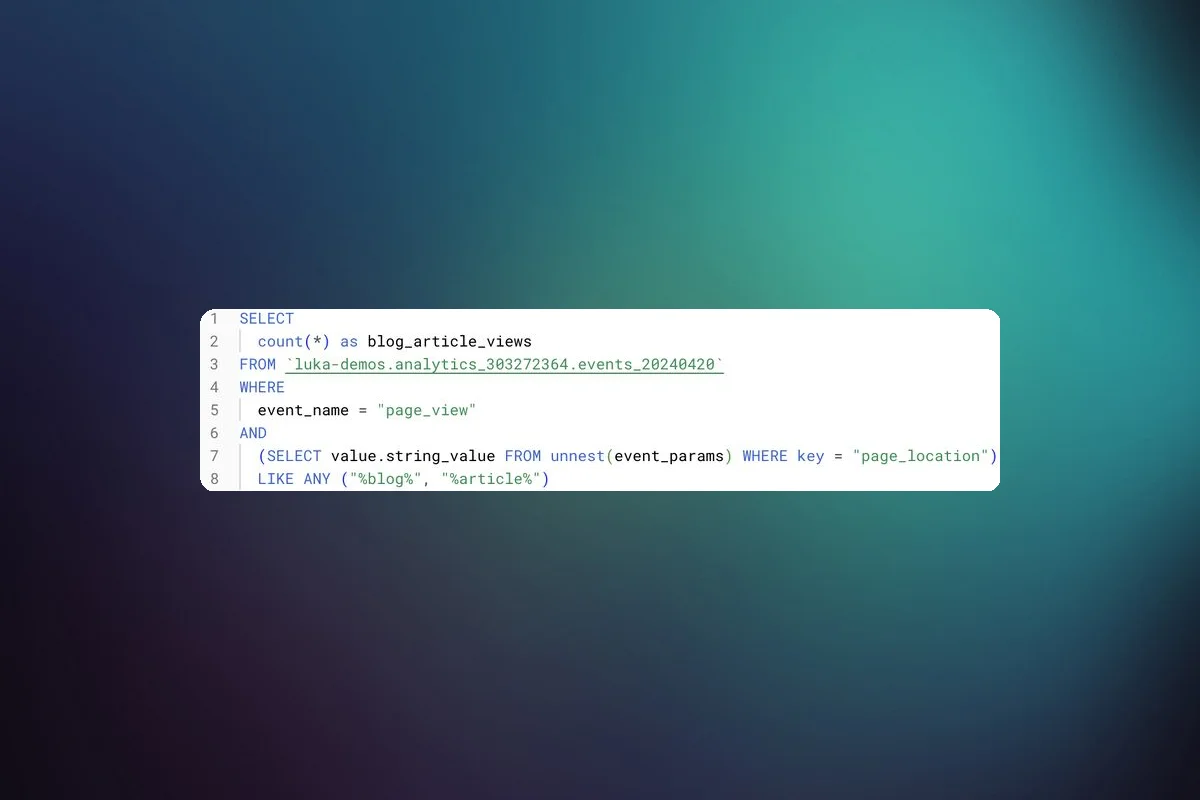
The quantified LIKE operator, now available, eases writing queries comparing a field value to multiple patterns. It uses three quantifiers: ANY, SOME, and ALL. ANY and SOME are true if one pattern matches the field value. ALL requires the field to match all patterns. For example, 'page_path LIKE "%blog%" AND page_path LIKE "%luka%"' becomes 'page_path LIKE ALL ("%blog%", "%luka%")'.